 EN

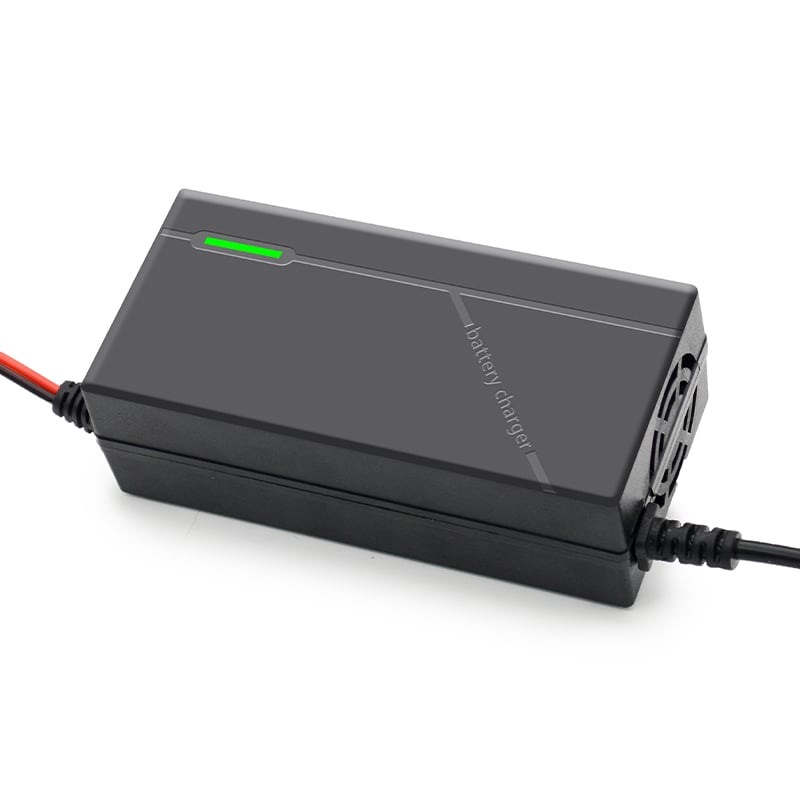
Knowing when to replace your scooter battery charger is essential for maintaining reliable performance and extending the lifespan of your electric scooter's power system. A faulty scooter battery charger can damage your battery, reduce charging efficiency, and leave you stranded without a functioning vehicle. Understanding the warning signs and replacement timeline helps you avoid costly battery failures and keeps your scooter ready when you need it most.
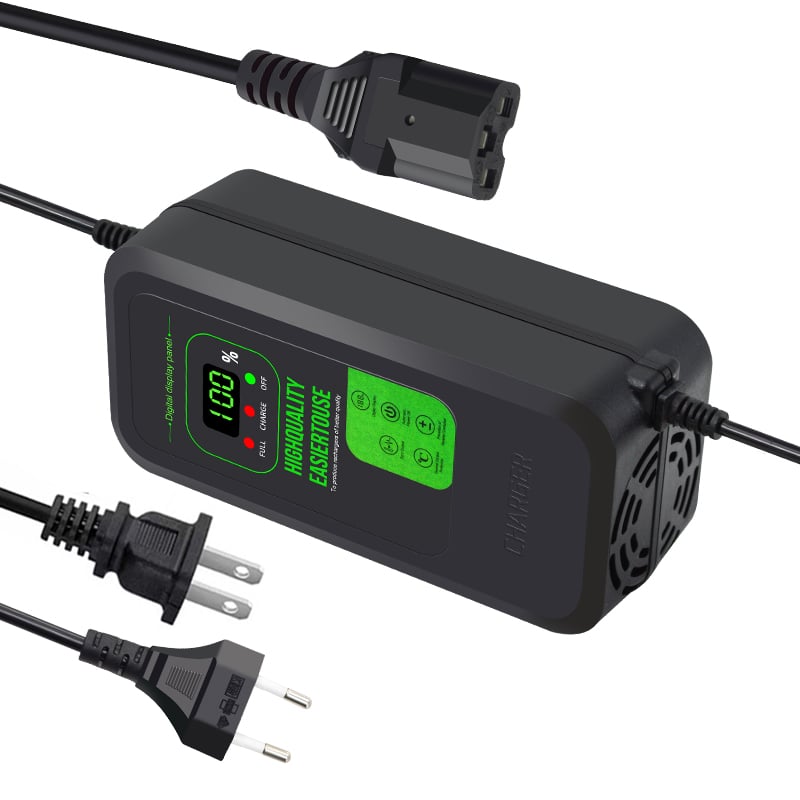
Your scooter battery charger is a critical component that directly impacts how well your battery performs and how long it lasts. Investing time in learning about proper charger care and replacement timing can save you significant money and frustration. This guide explores the key indicators that your scooter battery charger needs replacement, maintenance practices that extend charger life, and how to choose the right replacement when the time comes.
Signs Your Scooter Battery Charger Needs Replacement
Physical Damage and Visible Deterioration
Visual inspection of your scooter battery charger is the first line of defense against charger failure. If you notice cracks, burns, discoloration, or melting on the charger housing, your scooter battery charger has likely suffered internal damage and should be replaced immediately. Exposed wires or loose connectors on your scooter battery charger create serious electrical hazards and safety risks that make continued use dangerous.
Water damage is another critical indicator that your scooter battery charger requires replacement. If your charger was exposed to rain, water, or high humidity, internal corrosion may have compromised the scooter battery charger's electrical circuits. Even if the charger appears to work initially after water exposure, hidden corrosion inside your scooter battery charger can cause sudden failures or create fire hazards.
Charging Performance Decline
When your scooter battery charger fails to reach the correct voltage, your battery will not charge fully, dramatically reducing your scooter's range and performance. A properly functioning scooter battery charger should reach full charge status reliably, typically within the manufacturer's specified timeframe. If charging times increase significantly or your battery never reaches full capacity even with extended charging, your scooter battery charger may be failing.
Intermittent charging is a common sign that your scooter battery charger is deteriorating. If you must jiggle cables, adjust connector positioning, or restart the charging process to get power flowing to your battery, your scooter battery charger's connection points are likely worn or damaged. This inconsistency indicates that replacement of your scooter battery charger should occur soon to prevent complete failure.
Understanding Scooter Battery Charger Lifespan and Replacement Timing
Expected Lifespan and Usage Factors
Most scooter battery chargers last between two and five years depending on usage patterns, environmental conditions, and build quality. Heavy daily use accelerates wear on your scooter battery charger's internal components, potentially requiring replacement sooner than chargers used moderately. Frequent charging cycles stress the transformer and voltage regulation circuits inside your scooter battery charger, gradually degrading its ability to deliver consistent power.
Environmental exposure significantly impacts how long your scooter battery charger remains reliable. Chargers kept in cool, dry locations typically last longer than those exposed to temperature extremes, humidity, or direct sunlight. If your scooter battery charger sits in hot garages, damp basements, or vehicles exposed to weather, plan for earlier replacement. High temperatures particularly damage the scooter battery charger's capacitors and solder joints, common failure points in aging chargers.
Mileage and Battery Cycle Correlation
Your scooter's total mileage can indicate when to evaluate your scooter battery charger's condition. After your scooter battery has completed several hundred charge cycles, the scooter battery charger may show signs of wear even if it still functions. If your scooter has traveled thousands of kilometers and you have owned it for multiple years, inspect your scooter battery charger closely for degradation signs.
Keeping detailed charging records helps you spot patterns that indicate scooter battery charger decline. If you notice that your battery capacity drops faster than expected, or that your scooter battery charger takes progressively longer to reach full charge, gradual failure is likely occurring. These subtle changes are often the first warning signs before your scooter battery charger fails completely.
Preventive Maintenance to Extend Your Scooter Battery Charger Life
Proper Storage and Environmental Protection
Storing your scooter battery charger correctly dramatically extends its operational life and reliability. Keep your scooter battery charger in a clean, dry location away from moisture, dust, and temperature extremes. A dedicated storage bag or case protects your scooter battery charger from accidental damage and environmental hazards that could trigger premature failure.
Temperature control is particularly important for your scooter battery charger's longevity. Store your charger in environments between 50 and 85 degrees Fahrenheit when possible. Avoid leaving your scooter battery charger in hot vehicles, unheated storage sheds, or damp basements where temperature and humidity fluctuations stress the internal circuitry of your charger.
Charging Habits and Maintenance Practices
Developing consistent charging habits protects both your battery and your scooter battery charger from unnecessary stress. Avoid leaving your scooter battery charger connected to the outlet continuously when not in use, as constant standby mode gradually wears internal components. Unplug your scooter battery charger after charging completes to reduce electrical load and thermal stress on the device.
Handle cables and connectors with care to prevent damage to your scooter battery charger. Avoid twisting, bending, or wrapping cables tightly around your charger when storing it. Gently connect and disconnect your scooter battery charger from the battery, as rough handling can damage internal connection points and create intermittent charging failures.
Periodically inspect your scooter battery charger for dust accumulation and debris. Use a soft, dry cloth to gently clean the exterior and vent openings of your charger. Dust buildup reduces cooling efficiency, causing your scooter battery charger to overheat and accelerating component degradation inside the device.
Choosing the Right Replacement Scooter Battery Charger
Specification Matching and Compatibility
When selecting a replacement scooter battery charger, verify that voltage and amperage specifications exactly match your scooter's battery requirements. Using an incorrect scooter battery charger can damage your battery or create safety hazards. Check your scooter's manual or battery label to confirm the correct voltage and recommended charging amperage before purchasing a replacement scooter battery charger.
Quality construction directly impacts how long your replacement scooter battery charger will serve you reliably. Choose a scooter battery charger with smart charging features that automatically adjust power delivery and stop charging when the battery reaches full capacity. These intelligent scooter battery charger systems protect your battery from overcharging damage and significantly extend both the battery and charger lifespan.
Safety Features and Smart Technology
Modern scooter battery chargers include important safety features that prevent electrical fires and battery damage. Look for a scooter battery charger with multiple protection systems including overvoltage protection, short-circuit protection, and thermal management. A quality scooter battery charger with automatic shut-off capability stops charging when your battery is full, preventing overcharge conditions that damage battery cells.
Pulse charging technology found in advanced scooter battery charger models helps revive partially dead batteries and improves overall charging efficiency. If your replacement scooter battery charger includes pulse mode and multi-stage charging algorithms, you gain better battery health preservation and potentially extend your battery lifespan by years. Investing in a high-quality scooter battery charger with smart features pays dividends through improved reliability and reduced battery replacement costs.
FAQ
How do I know if my scooter battery charger is bad?
Look for warning signs including slow charging times, inability to reach full charge, intermittent charging requiring cable adjustment, physical damage like cracks or burns, or a burning smell during charging. If your scooter battery charger shows any of these signs, replace it immediately to prevent battery damage and safety hazards.
Can I use a different charger for my scooter battery charger replacement?
Only use a replacement scooter battery charger with matching voltage and amperage specifications for your specific battery type. Using an incompatible scooter battery charger can damage your battery, reduce lifespan, or create dangerous electrical conditions. Always verify specifications match before using a different scooter battery charger.
How often should I replace my scooter battery charger?
Most scooter battery chargers last two to five years depending on usage frequency and environmental conditions. Replace your scooter battery charger sooner if it shows physical damage, fails to charge properly, or makes unusual noises. With proper storage and care, a quality scooter battery charger can provide reliable service through the majority of your scooter's lifespan.