 EN

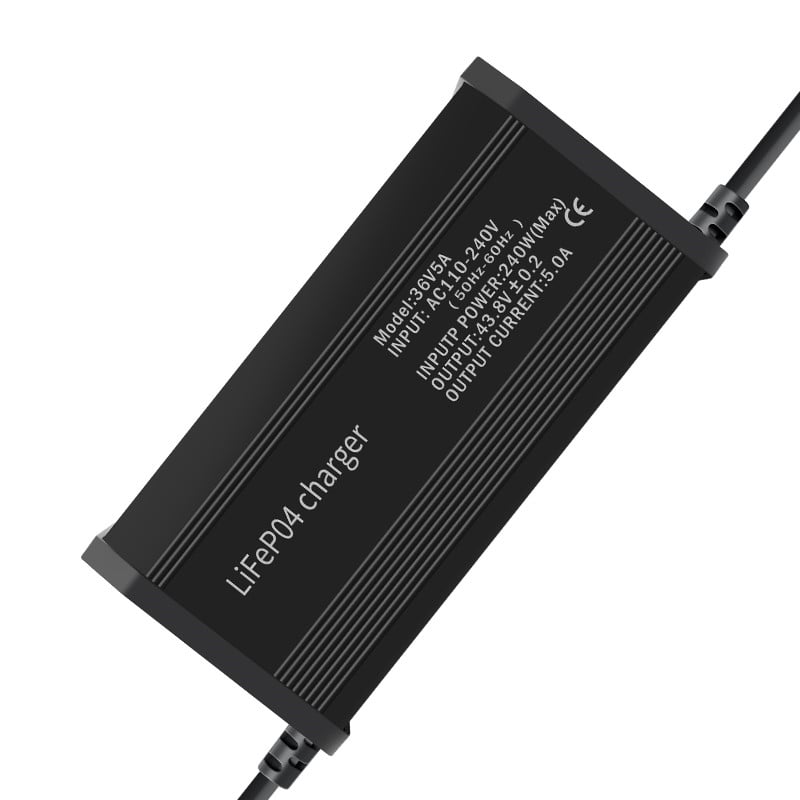
Selecting the right lifepo4 battery charger is one of the most critical decisions you'll make when building or maintaining a lithium battery system. The performance, safety, and longevity of your entire battery setup depend heavily on choosing a lifepo4 battery charger that matches your specific voltage, amperage, and application requirements. Many facility managers and system operators struggle with this decision because the market offers numerous charging solutions, each with different specifications and capabilities.
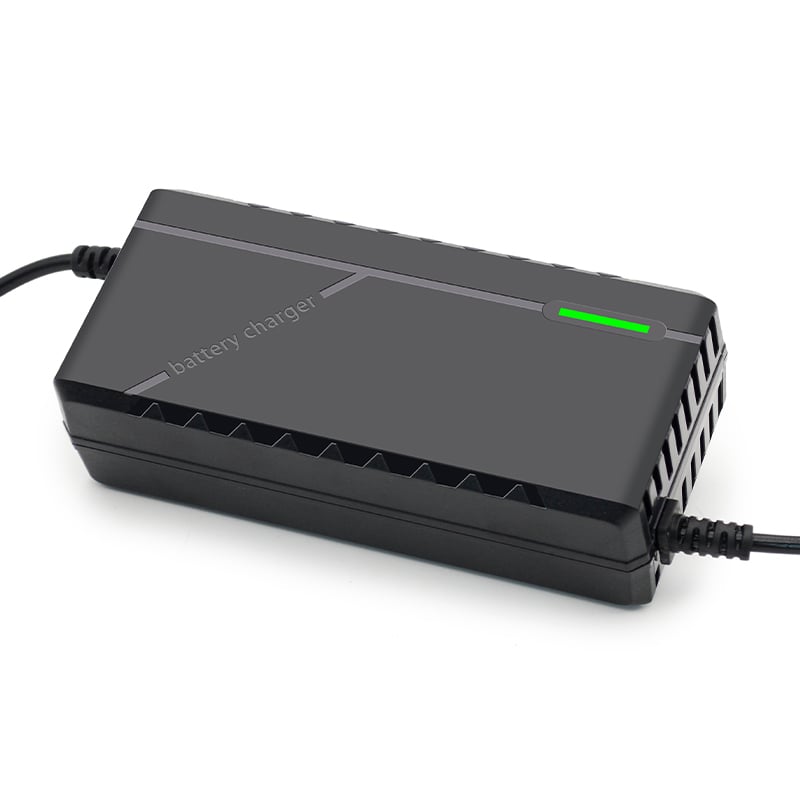
A properly selected lifepo4 battery charger ensures your batteries charge safely, efficiently, and within the timeframes your operations demand. Unlike traditional lead-acid chargers, a lifepo4 battery charger requires precise voltage regulation and termination logic because LiFePO4 chemistry is sensitive to overcharging and improper charge profiles. Understanding how to evaluate and match a lifepo4 battery charger to your system prevents costly downtime, extends battery life, and maximizes your investment return.
Understanding Your System Requirements
Voltage and Amperage Specifications
Every lifepo4 battery charger operates within defined voltage and current parameters. Your first step is determining your system's nominal voltage, which might be 12V, 24V, 48V, or higher depending on your application. The amperage rating of your chosen lifepo4 battery charger controls how quickly the battery charges. A 3A lifepo4 battery charger delivers slower, gentler charging than a 10A unit, making it suitable for maintenance charging or smaller battery banks, while higher-amperage models accelerate charge cycles for larger systems with urgent power demands.
The relationship between voltage and amperage in your lifepo4 battery charger determines the total power output, measured in watts. A 48V system paired with a 3A lifepo4 battery charger delivers 144 watts of charging power. Mismatching your lifepo4 battery charger voltage to your battery system creates safety hazards and renders the charger ineffective. Always verify that your selected lifepo4 battery charger voltage range aligns precisely with your battery's nominal voltage and tolerance band.
Battery Capacity and Charging Speed
Your battery capacity, expressed in amp-hours (Ah), directly influences how you should choose a lifepo4 battery charger. A 200Ah LiFePO4 battery charged at 50A requires a significantly different lifepo4 battery charger than a 50Ah battery. The C-rate, which expresses charging current relative to battery capacity, helps determine the ideal lifepo4 battery charger amperage. For most LiFePO4 applications, a 0.5C charging rate is safe and balanced; this means a 100Ah battery would use a lifepo4 battery charger rated for 50A maximum.
Understanding your operational needs helps define whether you need fast charging or standard charging. High-demand applications like backup power systems may benefit from a higher-output lifepo4 battery charger to minimize downtime. Conversely, systems designed for gradual replenishment between shifts can use a lower-amperage lifepo4 battery charger. The choice between these options should balance charging speed against equipment cost and thermal management concerns.
Key Charger Features and Specifications
Intelligent Charging Algorithms
Modern lifepo4 battery charger units incorporate microprocessor-controlled charging algorithms that optimize the charge profile for LiFePO4 chemistry. These algorithms typically employ multi-stage charging: an initial current-limited phase, a constant-current phase, and a final constant-voltage termination phase. A quality lifepo4 battery charger automatically adjusts its output to match the battery's charge acceptance at each stage, preventing overcharging and heat buildup. This intelligent behavior distinguishes premium lifepo4 battery charger options from basic models and directly impacts your battery's cycle life and reliability.
Temperature compensation is another critical feature of an advanced lifepo4 battery charger. When external temperature fluctuates, your lifepo4 battery charger automatically adjusts its charging parameters to maintain safe operating conditions. Some lifepo4 battery charger models include built-in temperature sensors that communicate with the charging circuit, while others accept external temperature probes. This protection mechanism prevents the premature degradation that occurs when LiFePO4 batteries charge in extreme cold or heat.
Safety and Protection Mechanisms
A reliable lifepo4 battery charger must include multiple layers of protection to safeguard both the battery and connected devices. Overvoltage protection in a lifepo4 battery charger cuts charging immediately if battery voltage exceeds safe limits. Short-circuit detection in your lifepo4 battery charger prevents damage from accidental terminal contact. Overcurrent limiting ensures that fault conditions don't cause explosive charging spikes. When evaluating a lifepo4 battery charger, verify that it incorporates these protections rather than relying solely on external fuses or circuit breakers.
Reverse polarity protection in a lifepo4 battery charger prevents catastrophic damage if someone connects the charger backward. Many industrial lifepo4 battery charger models include status indicators—LED lights or digital displays—that signal normal operation, charging in progress, and fault conditions. Understanding your lifepo4 battery charger's protection indicators allows you to respond quickly to problems and avoid unnecessary battery stress.
Compatibility and System Integration
Connector Types and Physical Fit
Your lifepo4 battery charger must physically connect to your battery system through compatible connectors. Common connector types for higher-amperage systems include Anderson PowerPole connectors, XT90 connectors, and terminal lugs for direct connection. Before purchasing a lifepo4 battery charger, verify that its connector matches your existing battery terminals or account for the cost of adapter cables. Mismatched connectors not only prevent use but can create loose connections that generate heat and reduce charging efficiency.
Installation location affects your choice of lifepo4 battery charger model. Wall-mounted chargers work well in fixed installations like data centers or solar backup systems, while portable lifepo4 battery charger units suit mobile or temporary applications. The physical dimensions and cooling requirements of your chosen lifepo4 battery charger must accommodate your space constraints. Some high-power lifepo4 battery charger models generate significant heat and require ventilation or mounting near air vents.
External Communication and Monitoring
Advanced lifepo4 battery charger systems increasingly include communication ports—CAN bus, RS485, or Modbus protocols—that allow remote monitoring and integration with battery management systems. If you operate multiple battery banks or require real-time charging telemetry, selecting a lifepo4 battery charger with communication capability provides operational advantages. These networked lifepo4 battery charger models transmit charging voltage, current, temperature, and fault codes to centralized monitoring dashboards.
For simpler single-battery applications, a basic lifepo4 battery charger without communication features may suffice and offers cost savings. However, if you anticipate future system expansion or upgrades, investing in a smart lifepo4 battery charger with communication capabilities often proves more economical than retrofitting later. This forward-thinking approach aligns your charger investment with long-term operational strategy.
FAQ
Can I use a standard charger for my LiFePO4 battery?
No, you should not use a standard lead-acid charger for LiFePO4 batteries. Standard chargers employ charging profiles designed for lead-acid chemistry, which differs fundamentally from lithium requirements. Using an incorrect charger risks damaging your LiFePO4 battery, reducing its lifespan significantly, and creating potential safety hazards. Always use a lifepo4 battery charger specifically designed and tested for LiFePO4 chemistry to ensure safe, efficient charging.
How do I know if my LiFePO4 battery charger is working properly?
A properly functioning lifepo4 battery charger displays consistent behavior during charging cycles. You should observe initial high current output that gradually decreases as the battery reaches full charge, with the charger stopping when the battery reaches its target voltage. Most lifepo4 battery charger units include LED indicators or digital readouts showing operational status. If your lifepo4 battery charger exhibits erratic behavior, won't start charging, or trips protection circuits repeatedly, contact the manufacturer or qualified technician to diagnose the issue.
What should I look for when upgrading to a new LiFePO4 battery charger?
When selecting a replacement or upgraded lifepo4 battery charger, prioritize matching voltage and minimum amperage requirements to your system. Verify that your new lifepo4 battery charger includes intelligent charging algorithms, comprehensive protection mechanisms, and connector compatibility. Consider whether communication capabilities or portable design would benefit your operations. Finally, choose a lifepo4 battery charger from a manufacturer offering warranty support and documented compliance with safety standards for your region.