 EN

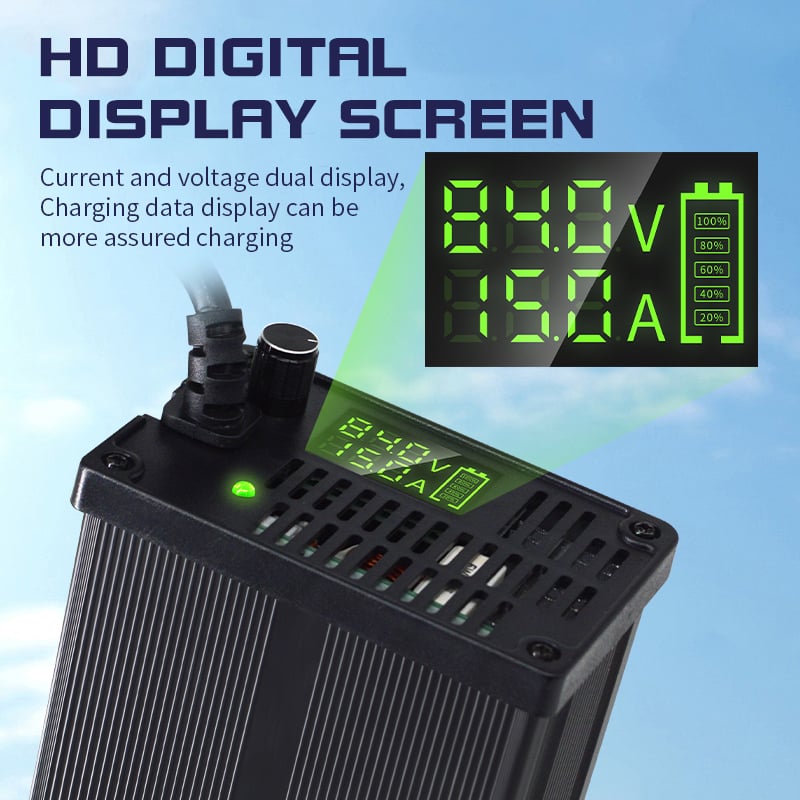
An adjustable battery charger represents a critical investment for anyone managing multiple battery types, voltages, or charging scenarios in industrial, automotive, or commercial environments. Unlike fixed-output chargers that deliver a single predefined voltage and current, an adjustable battery charger allows operators to customize charging parameters to match specific battery chemistry, capacity, and application requirements. Understanding when to deploy an adjustable battery charger rather than standard alternatives can significantly extend battery lifespan, improve charging efficiency, and prevent costly equipment damage or operational downtime.
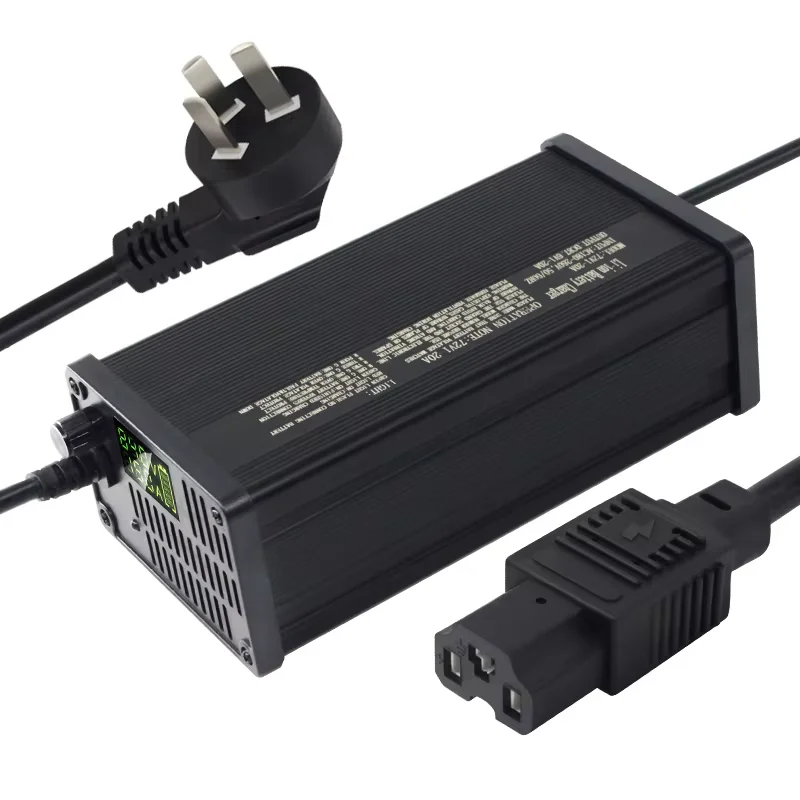
The decision to use an adjustable battery charger depends on several operational and technical factors including battery type diversity, voltage mismatches, aging battery conditions, and the need for precision charging control. Organizations operating fleets, renewable energy systems, backup power infrastructure, or mixed-equipment environments frequently encounter scenarios where an adjustable battery charger becomes essential rather than optional. This article explores the specific timing, conditions, and practical indicators that signal when an adjustable battery charger is the right solution for your charging infrastructure.
Critical Timing for Deploying an Adjustable Battery Charger
Managing Multiple Battery Voltages and Chemistry Types
Organizations managing diverse equipment portfolios inevitably face situations where an adjustable battery charger becomes operationally necessary. When a facility operates vehicles, emergency backup systems, portable tools, and stationary storage solutions simultaneously, these devices typically use different battery voltages—12V, 24V, 48V systems—and different chemistries including lead-acid, lithium-ion, and nickel-based batteries. A single fixed-output charger cannot safely service this diversity without risking over-charging damage or under-charging degradation. An adjustable battery charger solves this challenge by allowing technicians to configure voltage output and charging current to precisely match each battery's requirements, ensuring reliable performance across your entire equipment fleet.
Addressing Aging and Degraded Battery Performance
Older batteries exhibit different charging characteristics than new units, requiring customized charging profiles that only an adjustable battery charger can provide. As batteries age, their internal resistance increases, their capacity diminishes, and their susceptibility to damage from inappropriate charging parameters grows significantly. Standard fixed chargers often apply charging profiles optimized for new batteries, which can accelerate degradation in aging units. An adjustable battery charger enables operators to apply gentler charging curves, reduced current levels, and extended absorption phases specifically calibrated for aged batteries. This capability extends the usable lifespan of expensive battery assets and delays costly replacement investments.
Operational Scenarios Requiring an Adjustable Battery Charger
Fleet Management and Transportation Operations
Transportation and fleet management companies represent a primary market segment where an adjustable battery charger delivers measurable operational value. Fleets typically include vehicles manufactured across multiple decades, featuring different electrical architectures, battery specifications, and charging requirements. Heavy-duty trucks, forklifts, and commercial vehicles often operate 12V, 24V, or multi-voltage systems requiring different charging protocols. Deploying an adjustable battery charger in fleet maintenance facilities eliminates the need for multiple specialized chargers, reducing capital equipment costs while improving technician flexibility and response capability. The ability to adjust parameters on demand ensures every vehicle receives appropriate charging regardless of age, model year, or battery condition.
Emergency Power and Backup System Maintenance
Critical infrastructure including hospitals, data centers, telecommunications facilities, and emergency response systems depend on uninterrupted power availability, making proper battery maintenance essential. These environments typically employ large stationary battery banks, typically 12V or 24V lead-acid configurations, requiring periodic maintenance charging and equalization. An adjustable battery charger provides the precision necessary to maintain these expensive battery assets in optimal condition, applying specialized equalization charging profiles that prevent sulfation and stratification in lead-acid cells. For facilities managing both stationary backup systems and mobile emergency equipment, an adjustable battery charger offers the flexibility to service equipment diversity from a single equipment investment.
Technical Indicators and Decision Criteria for Using an Adjustable Battery Charger
Voltage and Current Customization Requirements
The primary technical indicator for deploying an adjustable battery charger is the presence of multiple voltage and current requirements within your operational environment. Standard chargers deliver fixed output, typically 12V or 24V at predetermined current levels ranging from 10 to 50 amperes. When your facility requires 12V at 20 amps for light vehicles, 24V at 30 amps for heavy equipment, and 48V at 15 amps for specialized systems, an adjustable battery charger becomes the economically rational choice. The flexibility to adjust both voltage output—typically 6V to 48V in commercial adjustable battery charger models—and current delivery enables one device to replace multiple single-purpose chargers, reducing equipment inventory complexity and improving operational efficiency.
Battery Condition Assessment and Selective Charging Protocols
An adjustable battery charger becomes particularly valuable when charging strategies must adapt to real-time battery condition assessment. Modern adjustable battery charger models incorporate intelligent monitoring systems that detect battery voltage, internal resistance, temperature, and charge state, then automatically optimize charging current and duration based on detected conditions. This capability prevents damage to weak or problematic batteries that might be destroyed by inappropriate charging rates. When your maintenance protocols include battery testing and condition-based charging decisions, an adjustable battery charger provides the adaptive capability to implement these sophisticated protocols effectively.
Space and Equipment Consolidation Initiatives
Organizations seeking to reduce maintenance facility footprint and equipment proliferation find compelling value in consolidated charging solutions. Maintenance departments operating multiple dedicated chargers—separate 12V chargers, 24V chargers, and specialty equipment—occupy physical space, require duplicate power infrastructure, and create training complexity. An adjustable battery charger consolidates these functions into a single, intelligently controlled device, freeing maintenance space, simplifying technician training, and reducing overall equipment cost burden. This consolidation benefit extends beyond physical space, improving charging protocol standardization and making maintenance procedures more consistent and auditable.
FAQ
When should I use an adjustable battery charger instead of a standard charger?
Use an adjustable battery charger when your operational environment includes multiple battery voltages, different chemistries, or aging batteries requiring customized charging profiles. Standard fixed chargers work adequately for single-purpose applications with uniform battery types, but organizations managing equipment diversity, fleet operations, or critical infrastructure benefit significantly from adjustable configurations. The decision point typically arrives when maintaining multiple chargers becomes more expensive than investing in one intelligent adjustable device.
Can an adjustable battery charger damage batteries if settings are incorrect?
Yes, incorrect parameter settings on an adjustable battery charger can potentially cause battery damage through over-charging, over-current delivery, or inappropriate voltage application. However, modern adjustable battery charger designs incorporate safety mechanisms including reverse-polarity protection, over-current limiting, temperature monitoring, and automatic shut-off functions that prevent most damage scenarios. Always verify correct voltage and current settings before charging, consult battery manufacturer specifications, and consider chargers with intelligent automatic detection features that reduce operator error risk.
What features should I prioritize when selecting an adjustable battery charger?
Prioritize voltage range coverage matching your battery diversity, current capacity sufficient for your largest batteries, and intelligent charge management features including equalization modes, temperature compensation, and automatic detection protocols. Consider chargers offering clear digital displays, intuitive control interfaces, robust safety certifications, and comprehensive warranty coverage. Industrial-grade adjustable battery chargers typically provide better reliability and feature richness than consumer-level alternatives, delivering superior long-term value despite higher initial investment.