 EN

A lead acid car battery is one of the most critical components of any vehicle, yet it often receives minimal attention until problems arise. The lifespan of a lead acid car battery typically ranges from three to five years, but this timeframe can be significantly extended through consistent, deliberate maintenance practices. Understanding how maintenance directly impacts lead acid car battery performance and longevity is essential for vehicle owners who want to avoid unexpected breakdowns, costly replacements, and the inconvenience of being stranded on the road.
Proper maintenance of a lead acid car battery is not complicated, but it requires awareness and discipline. Many vehicle owners unknowingly subject their batteries to conditions that accelerate degradation, including overcharging, undercharging, temperature extremes, and corrosion buildup. By implementing targeted maintenance strategies, you can preserve your lead acid car battery's ability to start your engine reliably and maintain electrical system stability throughout its operational life.
Understanding Core Maintenance Fundamentals
Preventing Corrosion and Terminal Degradation
Corrosion on battery terminals is one of the most visible signs of a neglected lead acid car battery. This white, blue, or green crusty buildup occurs when sulfuric acid vapor reacts with metal terminals and connectors. Regular inspection and cleaning of your lead acid car battery terminals prevents electrical resistance, which forces the alternator and starter to work harder, ultimately draining battery capacity faster. Using a mixture of baking soda and water or a specialized battery terminal cleaner removes corrosion effectively without damaging the lead acid car battery structure.
When cleaning your lead acid car battery, always disconnect the negative terminal first to prevent electrical shorts. Gently scrub the terminals with a soft brush, rinse with distilled water, and dry thoroughly before reconnection. This simple maintenance task on your lead acid car battery takes only fifteen minutes but can prevent voltage drops that reduce engine starting power and compromise electrical components. Applying a thin coat of dielectric grease afterward protects terminals from future corrosion on your lead acid car battery.
Monitoring Electrolyte Levels and Water Content
Traditional flooded lead acid car battery models require periodic water level checks, as electrolyte gradually evaporates over time. Each cell of your lead acid car battery should have electrolyte covering the lead plates by approximately one-half inch. Low electrolyte levels expose the lead acid car battery plates to air, accelerating internal corrosion and creating dead zones that reduce usable capacity. Always use distilled water, never tap water, as minerals in regular water damage the lead acid car battery's chemical balance and introduce contaminants.
Modern sealed lead acid car battery designs minimize water loss, but checking levels remains important for older models. When you top off your lead acid car battery, add water only to the manufacturer's recommended fill line. Overfilling your lead acid car battery causes acid overflow that corrodes external components and damages terminal connections. Checking electrolyte levels monthly during hot months and quarterly during cooler seasons keeps your lead acid car battery in optimal chemical balance for consistent performance.
Optimizing Charging Practices and Electrical Management
Using Proper Charging Techniques and Equipment
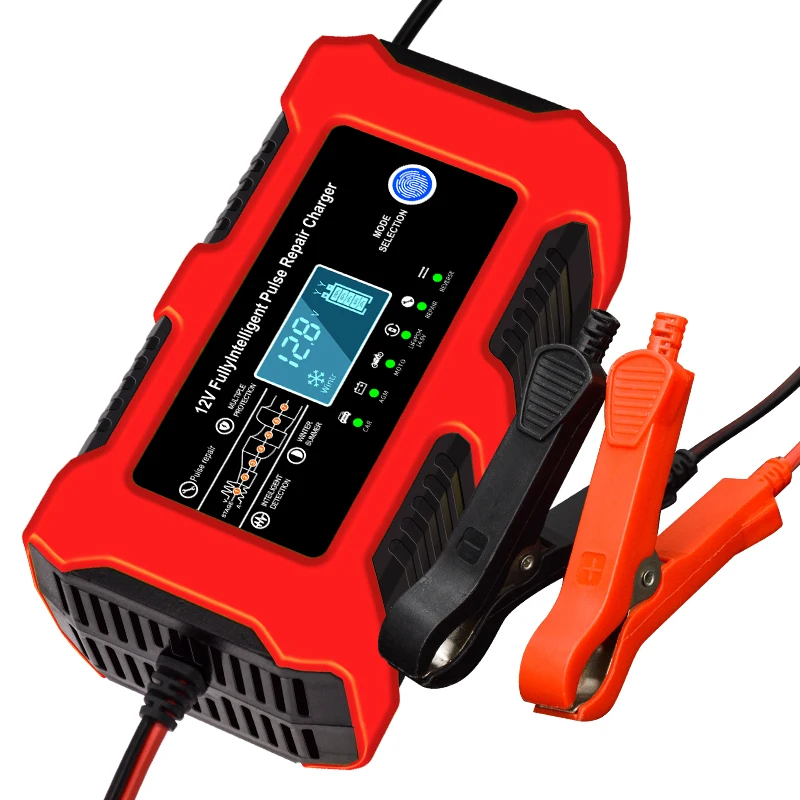
How you charge your lead acid car battery significantly impacts its lifespan. Many vehicle owners rely solely on alternator charging during driving, which may not fully charge the lead acid car battery under certain conditions. Using a quality battery charger designed for lead acid car battery maintenance delivers controlled charging that prevents overcharging and prolongs battery life. Lead acid car battery chargers with pulse repair technology can even restore sulfated batteries, extending the useful life of older units that would otherwise require replacement.
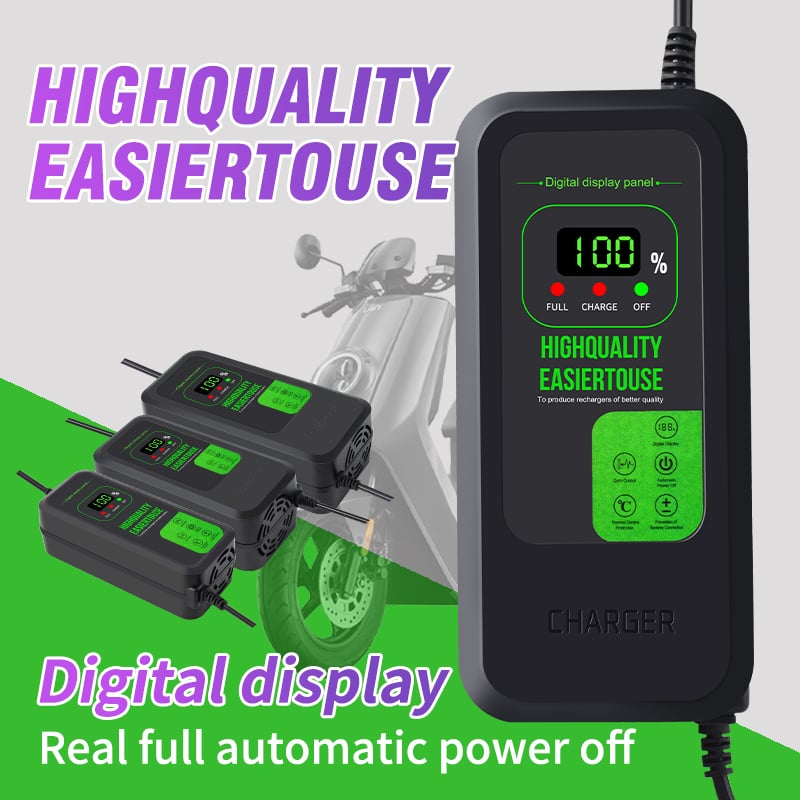
When charging your lead acid car battery at home, use a charger with automatic shut-off capability to prevent overcharging damage. Overcharging a lead acid car battery accelerates water loss, increases internal temperature, and damages the battery plates through excessive chemical reactions. If you leave your vehicle parked for extended periods, a battery tender maintains optimal charge on your lead acid car battery without allowing dangerous overcharge conditions. Conversely, undercharging your lead acid car battery through short trips and insufficient driving time causes lead sulfate crystals to harden on the plates, reducing future charge capacity permanently.
Minimizing Electrical Draw and Load Management
A frequently overlooked maintenance practice is managing electrical loads when your engine is off. Leaving lights on, running audio systems, or maintaining active electronic features drains your lead acid car battery even while parked. Each discharge cycle, especially deep discharges that drop below fifty percent capacity, stresses your lead acid car battery and reduces its overall lifespan. Checking that doors close fully and lights turn off prevents parasitic drain that slowly weakens your lead acid car battery between driving sessions.
If you frequently use vehicle systems while parked, invest in an auxiliary lead acid car battery system or upgrade to a higher capacity unit. Modern vehicles with extensive entertainment and connectivity features place greater demands on the lead acid car battery than older models. Understanding your vehicle's electrical load profile helps you maintain your lead acid car battery more effectively by avoiding discharge conditions that permanently damage battery chemistry and reduce future performance capacity.
Managing Temperature and Storage Conditions
Protecting Your Battery from Extreme Heat and Cold
Temperature extremes accelerate lead acid car battery aging through chemical acceleration and structural stress. Heat increases internal chemical reaction rates, causing faster water evaporation and terminal corrosion on your lead acid car battery. Cold temperatures thicken electrolyte, reducing your lead acid car battery's ability to deliver current and forcing the starter motor to draw more power. In severe cold, a lead acid car battery may fail to start the engine despite being in good mechanical condition simply because low temperatures reduce available current output.
Whenever possible, park your vehicle in shaded or sheltered locations to protect your lead acid car battery from direct sun exposure. Installing a battery insulation blanket during winter months helps maintain optimal temperature in your lead acid car battery, improving cold-start reliability while extending service life. Checking your lead acid car battery's charge level before winter ensures adequate capacity for cold-weather starting demands. In extremely hot climates, parking in garages or shade during peak heat periods significantly extends your lead acid car battery's operational lifespan by reducing thermal stress.
Proper Storage and Seasonal Maintenance
If you store your vehicle seasonally or for extended periods, maintaining proper lead acid car battery conditions prevents damage during dormancy. Before long-term storage, fully charge your lead acid car battery to prevent lead sulfate crystal formation on the plates. Disconnect the negative terminal to eliminate parasitic drain that would slowly discharge your lead acid car battery over weeks or months of inactivity. When you prepare to use your stored vehicle, recharge your lead acid car battery with a quality charger before starting the engine to restore full capacity.
Monthly checks during storage periods ensure your lead acid car battery maintains adequate charge and prevents sulfation that causes permanent capacity loss. Some owners use trickle chargers or battery tenders during extended storage to keep their lead acid car battery in perfect condition without risking overcharge damage. These maintenance practices during off-season storage are just as important as regular maintenance during active driving, since neglect during dormancy can reduce your lead acid car battery's lifespan as severely as poor maintenance during use.
FAQ
How often should I perform maintenance on my lead acid car battery?
Basic lead acid car battery maintenance should occur monthly, including visual inspections for corrosion, terminal cleaning if needed, and electrolyte level checks for non-sealed models. Charging equipment evaluation and electrical load assessment should happen quarterly. Seasonal maintenance before summer heat and winter cold prepares your lead acid car battery for temperature extremes. This consistent maintenance schedule prevents small problems from becoming expensive failures and extends your lead acid car battery's overall lifespan significantly.
What signs indicate my lead acid car battery needs replacement despite maintenance efforts?
If your lead acid car battery fails to hold a charge even after proper charging with quality equipment, if corrosion cannot be controlled despite regular cleaning, or if the vehicle struggles to start despite adequate electrical system function, your lead acid car battery may be near end-of-life. Physical damage, bulging cases, or leaking acid are clear replacement indicators. Testing your lead acid car battery with a load tester at a service center provides a definitive assessment of remaining capacity and charging capability when you suspect age-related failure.
Can maintenance restore a sulfated lead acid car battery to full capacity?
Partial sulfation in a lead acid car battery can sometimes be reduced through pulse charging technology and proper charging practices, helping restore some lost capacity. However, heavy sulfation causes permanent crystal formation that maintenance alone cannot fully reverse. Advanced pulse repair chargers designed specifically for lead acid car battery restoration can extend the life of mildly sulfated batteries, but severely sulfated batteries often require replacement. Early detection through regular maintenance allows intervention before sulfation becomes irreversible.