 EN
EN

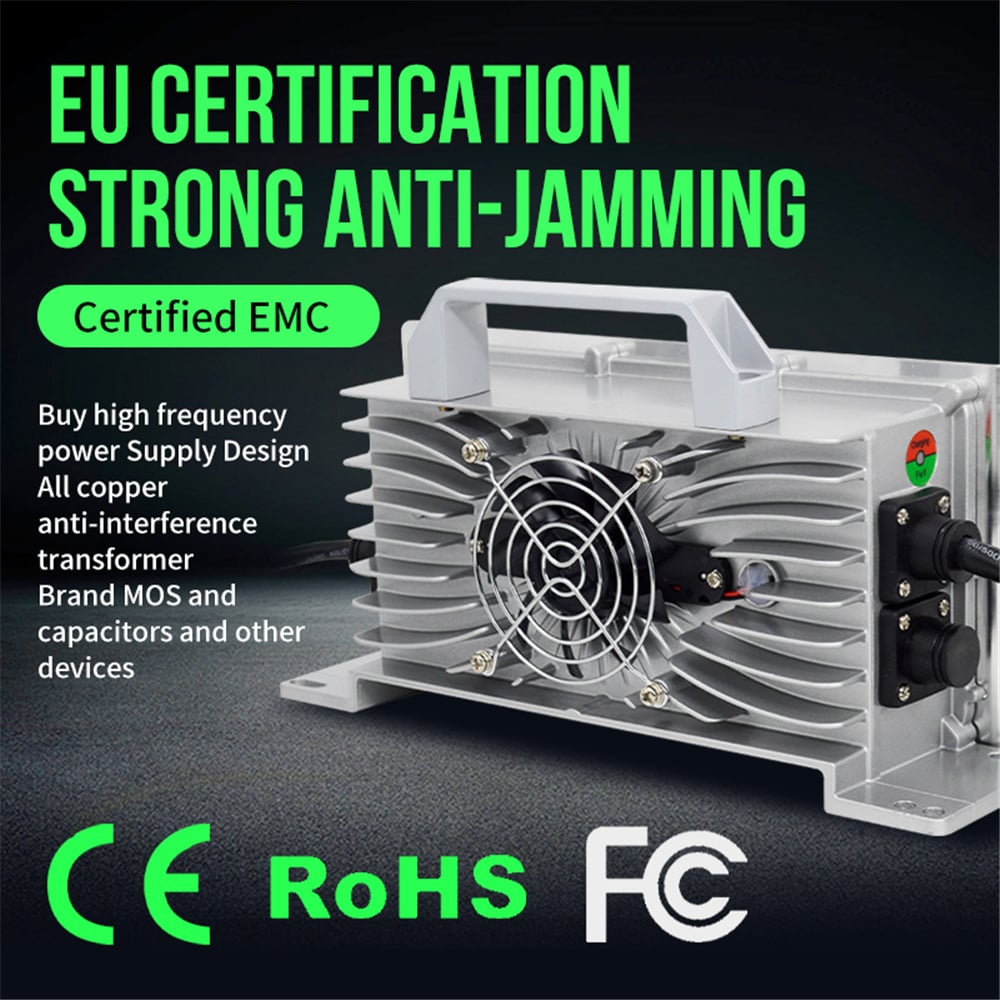
Understanding how a golf cart battery charger operates is essential for maintaining optimal performance and extending the lifespan of your golf cart's power system. A golf cart battery charger serves as the critical component that replenishes energy to depleted batteries, converting alternating current from wall outlets into direct current that batteries can store. Modern golf cart battery charger systems incorporate sophisticated charging algorithms and safety features that protect both the charger and battery pack from potential damage during the charging process.
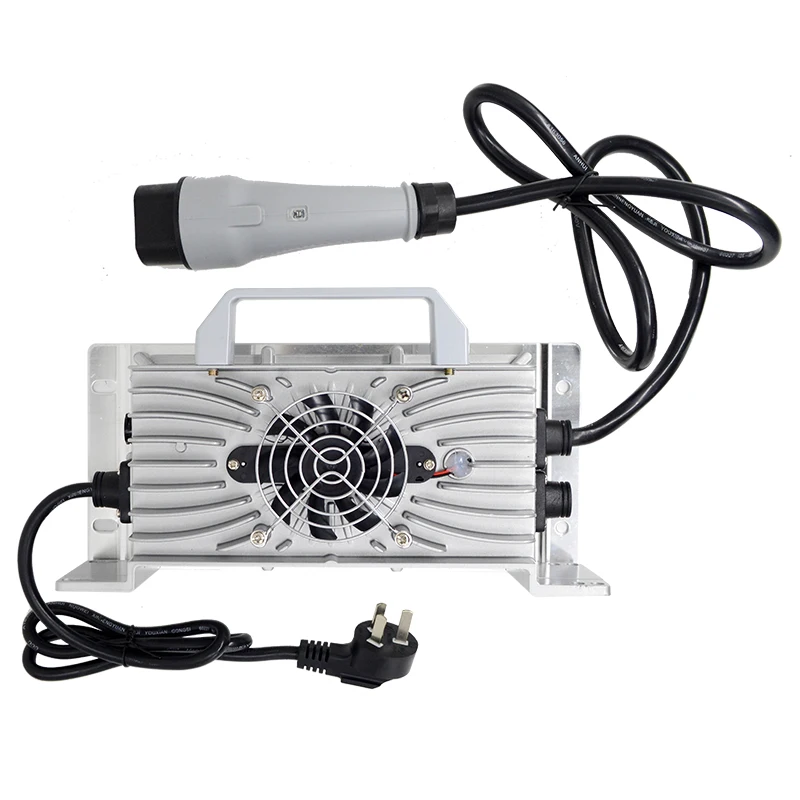
The charging process begins when you connect your golf cart battery charger to both the power source and battery terminals. Internal circuitry immediately assesses the battery voltage and condition, determining the appropriate charging parameters. This initial diagnostic phase prevents overcharging and ensures compatibility between the charger and battery specifications. Most contemporary chargers feature microprocessor-controlled systems that continuously monitor charging progress and adjust current flow accordingly.
Fundamental Charging Principles
Direct Current Conversion Process
The primary function of any golf cart battery charger involves converting household alternating current into direct current suitable for battery storage. This conversion occurs through a rectification process using diodes and transformers within the charger housing. The transformer reduces incoming voltage to appropriate levels, while rectifier circuits eliminate alternating current oscillations. This process ensures that only clean, stable direct current reaches the battery terminals, preventing potential damage from voltage fluctuations or electrical noise.
Advanced golf cart battery charger models incorporate switching power supply technology that enhances efficiency while reducing heat generation. These systems pulse the charging current at high frequencies, allowing for more precise voltage regulation and faster charging times. The switching topology also enables the charger to maintain consistent output despite variations in input voltage, ensuring reliable performance across different electrical environments.
Voltage Regulation and Control
Proper voltage regulation represents a crucial aspect of effective battery charging, as excessive voltage can damage battery cells while insufficient voltage prevents complete charging. A quality golf cart battery charger incorporates feedback control circuits that continuously measure output voltage and adjust accordingly. These control systems ensure that charging voltage remains within manufacturer-specified parameters throughout the entire charging cycle.
Temperature compensation features in modern chargers adjust charging voltage based on ambient and battery temperature readings. This compensation prevents overcharging in hot conditions and ensures adequate charging in cold environments. The charging algorithm automatically reduces voltage as batteries approach full capacity, transitioning from constant current to constant voltage charging phases for optimal results.
Multi-Stage Charging Technology
Bulk Charging Phase
The bulk charging phase represents the initial stage where the golf cart battery charger delivers maximum current to rapidly restore battery capacity. During this phase, the charger maintains constant current output while battery voltage gradually increases. This approach allows for efficient energy transfer while preventing excessive heat buildup that could damage battery cells. The bulk phase typically continues until batteries reach approximately 80% of full capacity.
Current limiting features protect both the charger and batteries during bulk charging by preventing current levels from exceeding safe thresholds. These protective measures ensure that charging current remains within battery manufacturer specifications, preventing premature wear and extending overall battery life. The charger continuously monitors current draw and adjusts output to maintain optimal charging conditions.
Absorption and Float Stages
Once batteries reach the absorption voltage threshold, the golf cart battery charger transitions to constant voltage mode while allowing current to gradually decrease. This absorption phase ensures that all battery cells reach full charge capacity without experiencing damaging overvoltage conditions. The charger maintains precise voltage control while monitoring current decay patterns to determine when batteries achieve complete saturation.
The final float stage maintains batteries at full charge using minimal current to offset self-discharge losses. This maintenance mode prevents overcharging while keeping batteries ready for immediate use. The golf cart battery charger automatically switches between float and absorption modes as needed to maintain optimal battery condition during extended storage periods.
Safety Features and Protection Systems
Overcurrent and Overvoltage Protection
Modern golf cart battery charger systems incorporate multiple layers of protection to prevent damage from electrical faults or component failures. Overcurrent protection circuits immediately disconnect charging current when levels exceed predetermined thresholds, preventing damage to both charger components and battery cells. These protective systems respond within milliseconds to potential fault conditions, ensuring safe operation under all circumstances.
Overvoltage protection prevents charging voltage from exceeding safe limits that could damage sensitive battery components. These systems continuously monitor output voltage and immediately reduce or disconnect charging current when voltage approaches dangerous levels. Additional surge protection features shield internal circuitry from power line transients and voltage spikes that could compromise charger reliability.
Thermal Management and Monitoring
Effective thermal management ensures reliable operation and prevents overheating that could damage charger components or create safety hazards. A properly designed golf cart battery charger incorporates temperature sensors that monitor both internal component temperatures and battery conditions. These monitoring systems automatically reduce charging current or activate cooling fans when temperatures exceed safe operating ranges.
Thermal shutdown features provide ultimate protection by completely disconnecting charging current when excessive temperatures are detected. These safety systems prevent potential fire hazards and component damage while protecting users from dangerous conditions. Automatic restart capabilities allow normal operation to resume once temperatures return to safe levels, ensuring convenient and reliable performance.
Smart Charging Technology Integration
Microprocessor Control Systems
Contemporary golf cart battery charger designs incorporate sophisticated microprocessor control systems that optimize charging performance for different battery types and conditions. These intelligent systems analyze battery characteristics and automatically select appropriate charging parameters to maximize efficiency and battery life. The microprocessor continuously monitors charging progress and makes real-time adjustments to ensure optimal results under varying conditions.
Advanced diagnostic capabilities allow the charger to detect battery problems such as sulfation, cell imbalance, or capacity loss. These diagnostic features provide valuable information about battery condition and help users make informed decisions about maintenance or replacement needs. The intelligent control system can also adapt charging algorithms based on usage patterns and environmental factors for enhanced performance.
Communication and Monitoring Features
Modern golf cart battery charger systems often include communication capabilities that allow remote monitoring and control through smartphone applications or computer interfaces. These features enable users to track charging progress, receive maintenance alerts, and monitor system performance from anywhere. Real-time data collection helps identify potential issues before they become serious problems, reducing downtime and maintenance costs.
Integrated data logging capabilities record charging history, battery performance trends, and system status information for comprehensive fleet management applications. This information proves valuable for optimizing charging schedules, predicting maintenance requirements, and ensuring maximum uptime for commercial golf cart operations. The communication features also enable remote firmware updates that add new capabilities and improve system performance over time.
Battery Type Compatibility and Optimization
Lead-Acid Battery Charging
Traditional lead-acid batteries require specific charging profiles to achieve optimal performance and longevity from a golf cart battery charger system. These batteries benefit from multi-stage charging algorithms that prevent sulfation while ensuring complete electrolyte saturation. The charger must provide appropriate voltage levels and current limiting to prevent gassing and water loss during the charging process.
Flooded lead-acid batteries require periodic equalization charging to balance individual cell voltages and prevent capacity loss over time. A quality golf cart battery charger incorporates equalization modes that safely apply higher voltages for controlled periods to restore battery balance. These features help extend battery life and maintain consistent performance across the entire battery pack.
Lithium Battery Technology
Lithium battery systems require specialized charging protocols that differ significantly from traditional lead-acid approaches. A compatible golf cart battery charger must provide precise voltage control and incorporate battery management system communication capabilities. These advanced features ensure safe charging while preventing overcharging conditions that could damage lithium cells or create safety hazards.
Cell balancing features in lithium-compatible chargers ensure that individual cells within the battery pack maintain uniform charge levels. This balancing process maximizes available capacity while preventing premature wear of individual cells. The charger coordinates with the battery management system to monitor cell voltages and temperatures throughout the charging process for optimal safety and performance.
Installation and Operational Considerations
Proper Installation Requirements
Successful golf cart battery charger installation requires careful attention to electrical connections, ventilation requirements, and mounting considerations. Proper wire sizing ensures adequate current carrying capacity while minimizing voltage drop and heat generation. All connections must be clean and tight to prevent resistance heating and potential fire hazards during operation.
Adequate ventilation prevents heat buildup and ensures reliable charger operation under all environmental conditions. The installation location should provide protection from moisture, extreme temperatures, and mechanical damage while allowing easy access for maintenance activities. Proper grounding connections ensure electrical safety and reduce electromagnetic interference that could affect charger performance.
Maintenance and Service Requirements
Regular maintenance ensures optimal golf cart battery charger performance and extends equipment lifespan through preventive care practices. Periodic inspection of connections, cooling systems, and protective covers helps identify potential problems before they cause failures. Cleaning dust and debris from cooling vents maintains proper airflow and prevents overheating conditions that could damage internal components.
Software updates and calibration procedures help maintain charging accuracy and compatibility with newer battery technologies. Many modern chargers include self-diagnostic capabilities that alert users to potential maintenance needs or component problems. Following manufacturer-recommended service intervals ensures reliable operation and maintains warranty coverage throughout the equipment lifecycle.
FAQ
How long does it typically take for a golf cart battery charger to fully charge batteries
Charging time depends on battery capacity, charger output rating, and depth of discharge, but typically ranges from 6 to 12 hours for a complete charge cycle. A golf cart battery charger with higher amperage output can reduce charging time, while deeply discharged batteries require longer charging periods. Modern smart chargers optimize charging speed while protecting battery health through multi-stage charging algorithms.
Can I leave my golf cart battery charger plugged in all the time
Most modern golf cart battery charger systems include automatic float modes that safely maintain batteries at full charge without overcharging. However, it's generally recommended to unplug the charger after batteries reach full capacity to prevent unnecessary wear on charger components and reduce energy consumption. Smart chargers with maintenance modes can safely remain connected for extended periods when designed for continuous operation.
What voltage should I look for in a golf cart battery charger
The appropriate golf cart battery charger voltage depends on your battery system configuration, with common options including 36V, 48V, and 72V systems. Always match the charger voltage rating exactly to your battery pack voltage to ensure safe and effective charging. Using an incorrect voltage charger can damage batteries or create safety hazards, so verify system specifications before making a purchase.
How do I know if my golf cart battery charger is working properly
A properly functioning golf cart battery charger should complete charging cycles within expected timeframes and maintain consistent voltage output throughout the process. Visual indicators such as LED status lights or digital displays provide immediate feedback about charging status and any fault conditions. Regular voltage measurements and charging time monitoring help identify performance degradation that might indicate the need for service or replacement.