 EN
EN

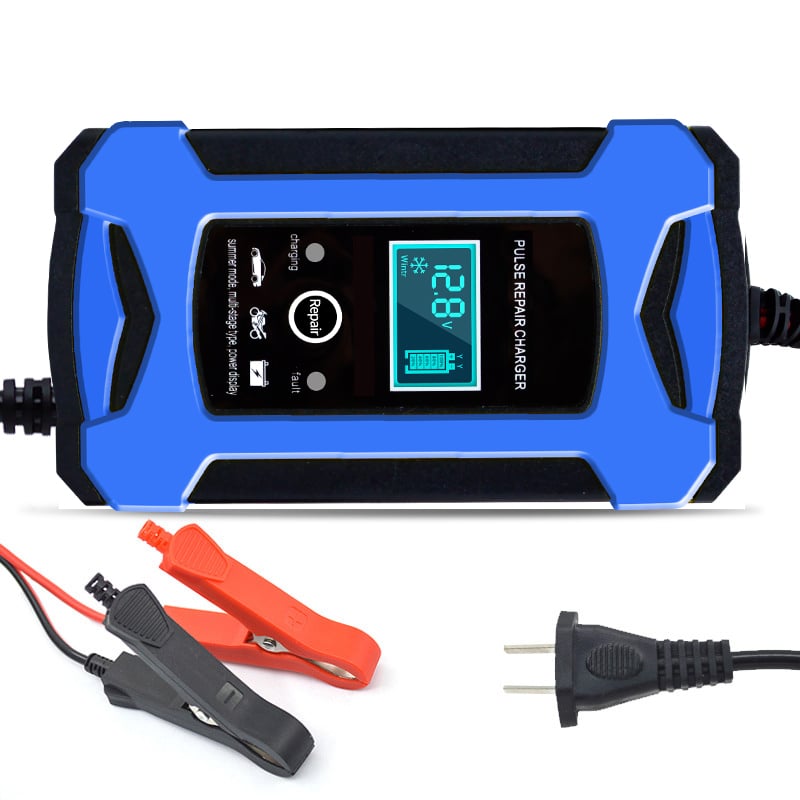
Selecting the right 12 volt battery charger can make the difference between reliable power and costly battery replacements. Modern vehicles, boats, and equipment depend on properly maintained batteries, yet many users overlook the importance of choosing a charger with appropriate features. Understanding which characteristics matter most helps ensure optimal battery performance and longevity. The market offers numerous options, from basic trickle chargers to sophisticated smart units with advanced monitoring capabilities.
Essential Charging Technology Features
Smart Charging Algorithms
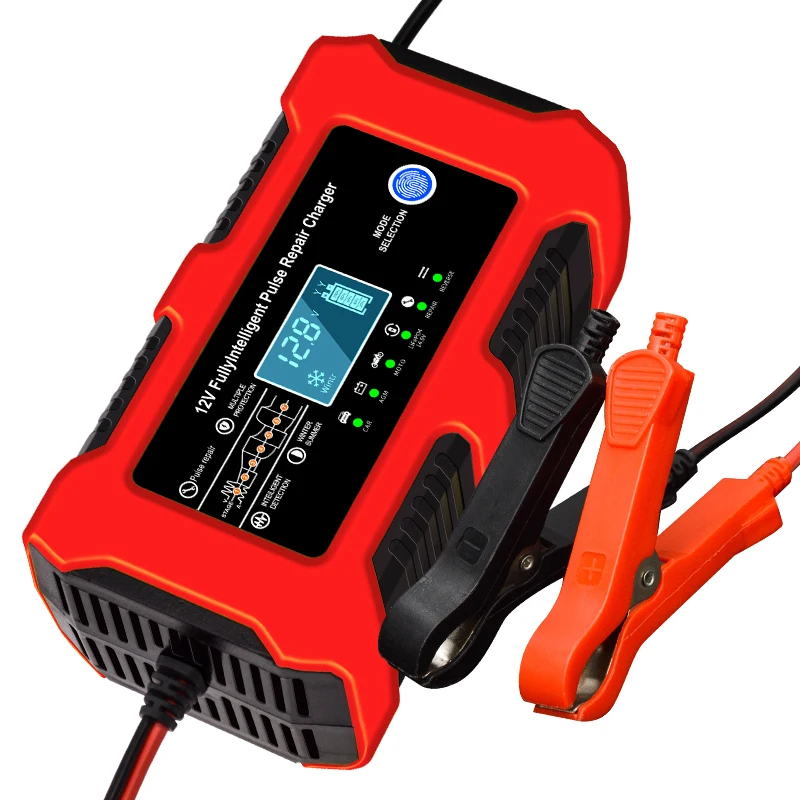
Modern 12 volt battery charger units incorporate intelligent charging algorithms that automatically adjust voltage and current based on battery condition. These systems typically feature multi-stage charging processes that include bulk, absorption, and float phases. The bulk phase delivers maximum current until the battery reaches approximately 80% capacity, while the absorption phase maintains constant voltage to complete the charging cycle. Float mode provides maintenance charging to prevent self-discharge without overcharging the battery.
Advanced units also include desulfation modes that help restore battery capacity by breaking down sulfate crystals that naturally accumulate on lead plates. This pulse repair technology extends battery life significantly compared to conventional charging methods. Temperature compensation further enhances charging precision by adjusting parameters based on ambient conditions, ensuring optimal performance across various environments.
Automatic Safety Shutoff Systems
Safety features represent critical considerations when selecting any 12 volt battery charger for regular use. Automatic shutoff prevents overcharging damage by monitoring voltage levels and switching to maintenance mode when appropriate. Reverse polarity protection guards against connection errors that could damage both the charger and battery. Short circuit protection immediately disconnects power if wiring faults occur during operation.
Overheat protection monitors internal temperatures and reduces output or shuts down operation if excessive heat builds up. These safety systems provide peace of mind during unattended charging sessions, particularly important for overnight or extended charging cycles. Quality units also include spark-proof technology that prevents dangerous arcing during connection and disconnection procedures.
Power Output and Compatibility Considerations
Amperage Rating Selection
The amperage rating of a 12 volt battery charger determines charging speed and compatibility with different battery sizes. Lower amperage units, typically 2-6 amps, work well for motorcycle batteries, lawn equipment, and maintenance charging applications. Medium-range chargers delivering 10-15 amps suit most automotive applications, providing reasonable charging times without excessive heat generation. Higher amperage units above 20 amps enable rapid charging of large capacity batteries but require careful monitoring to prevent damage.
Selecting appropriate amperage depends on battery capacity and intended use patterns. A general guideline suggests choosing a charger with amperage roughly 10-20% of the battery's amp-hour rating for optimal charging speed without stress. For example, a 100 amp-hour battery performs well with a 10-15 amp charger, balancing speed with battery longevity considerations.
Battery Chemistry Compatibility
Different battery chemistries require specific charging profiles for optimal performance and safety. Traditional lead-acid batteries, including flooded, gel, and AGM types, each have distinct voltage and current requirements. A versatile 12 volt battery charger should accommodate multiple chemistry types through selectable charging modes or automatic detection capabilities.
Lithium batteries, particularly LiFePO4 types, require different voltage parameters and charging curves compared to lead-acid variants. Some advanced chargers offer dedicated lithium modes with appropriate voltage limits and charging algorithms. Ensuring compatibility prevents damage and maximizes battery life across different applications and battery technologies.
Build Quality and Durability Factors
Construction Materials and Design
Robust construction materials directly impact the longevity and reliability of any 12 volt battery charger used in demanding environments. Aluminum housings provide excellent heat dissipation while resisting corrosion better than steel alternatives. High-quality plastic enclosures offer lightweight portability with adequate protection for indoor applications. Internal component quality, including transformers, capacitors, and circuit boards, determines operational reliability and lifespan.
Ventilation design affects thermal management and component longevity during extended operation. Proper airflow prevents overheating while keeping dust and moisture from sensitive electronics. Cable quality also matters significantly, as inadequate wiring can create voltage drops and heat buildup that reduces charging efficiency and creates safety hazards.
Environmental Protection Standards
Operating environment considerations influence the appropriate protection level required for reliable 12 volt battery charger performance. Indoor applications typically require basic dust protection, while outdoor or marine environments demand weatherproof enclosures with appropriate IP ratings. Moisture resistance prevents corrosion and electrical faults that could damage equipment or create safety hazards.
Temperature tolerance ratings indicate the operational range where the charger maintains full functionality. Extreme cold can affect charging algorithms and component performance, while excessive heat reduces efficiency and component life. Units designed for automotive applications should withstand temperature extremes commonly encountered in vehicle storage areas and outdoor conditions.
User Interface and Monitoring Capabilities
Display and Indicator Systems
Clear visual feedback helps users monitor charging progress and identify potential issues during operation. LED indicator systems provide basic status information including power, charging, and completion signals. LCD displays offer more detailed information such as voltage, current, charging time, and battery condition assessments. Some advanced 12 volt battery charger models include battery health indicators that help users determine when replacement becomes necessary.
Error codes and diagnostic displays help troubleshoot problems and ensure proper operation. Clear labeling and intuitive controls reduce setup complexity and minimize user errors that could damage equipment. Backlit displays improve visibility in low-light conditions commonly encountered in garages and workshops.
Programmable Settings and Memory Functions
Programmable features allow customization of charging parameters for specific applications and battery types. Memory functions that retain user preferences eliminate repeated setup procedures for regular use. Timer functions enable scheduled charging cycles that take advantage of off-peak electricity rates while ensuring batteries remain fully charged when needed.
Advanced units may include data logging capabilities that track charging history and battery performance trends. This information helps optimize maintenance schedules and identify declining battery performance before complete failure occurs. Remote monitoring capabilities through smartphone apps provide convenient status checking and control from anywhere.
Certification and Safety Standards
Industry Certification Requirements
Proper certification ensures that a 12 volt battery charger meets established safety and performance standards. UL listing in North America and CE marking in Europe indicate compliance with relevant electrical safety requirements. These certifications verify that products undergo rigorous testing for electrical safety, electromagnetic compatibility, and environmental considerations.
RoHS compliance ensures that chargers contain minimal hazardous substances, supporting environmental responsibility and regulatory compliance. FCC certification indicates that units meet electromagnetic interference standards that prevent disruption of other electronic devices. These certifications provide assurance of quality and safety while meeting regulatory requirements in various markets.
Warranty and Support Considerations
Comprehensive warranty coverage indicates manufacturer confidence in product quality and provides protection against defects. Extended warranty periods typically correlate with higher build quality and reliability. Support availability, including technical assistance and replacement parts, affects long-term ownership costs and user satisfaction.
Clear warranty terms and conditions help users understand coverage limitations and requirements. Some manufacturers offer advanced replacement programs that minimize downtime when failures occur. Documentation quality and availability of user manuals in multiple languages support proper installation and operation across diverse user bases.
Cost-Benefit Analysis and Selection Criteria
Initial Investment Considerations
The purchase price of a 12 volt battery charger represents only one factor in total cost of ownership calculations. Higher-quality units with advanced features typically command premium prices but often provide superior battery life extension and reduced replacement costs. Basic chargers may suffice for occasional use but lack the features necessary for optimal battery maintenance in regular service applications.
Feature comparison helps justify price differences by evaluating specific benefits relative to intended use patterns. Professional applications often require more sophisticated charging capabilities that justify higher initial investments through improved reliability and battery performance. Consumer applications may prioritize simplicity and basic functionality over advanced features.
Long-term Value Assessment
Long-term value considerations include energy efficiency, battery life extension, and maintenance cost reductions. Efficient 12 volt battery charger designs consume less electricity while providing better charging performance compared to older technologies. Proper battery maintenance extends replacement intervals significantly, often justifying premium charger costs through reduced battery expenses.
Reliability and durability affect total cost of ownership through reduced replacement needs and maintenance requirements. Quality units often operate reliably for many years with minimal service requirements. Poor-quality alternatives may require frequent replacement, ultimately costing more despite lower initial prices.
FAQ
What amperage rating should I choose for my 12 volt battery charger?
Select a charger with amperage approximately 10-20% of your battery's amp-hour rating for optimal charging speed without damaging the battery. For example, a 100Ah battery works well with a 10-15 amp charger. Lower amperage units charge more slowly but generate less heat, while higher amperage chargers work faster but require more careful monitoring to prevent overcharging damage.
Can one 12 volt battery charger work with different battery types?
Modern smart chargers often accommodate multiple battery chemistries including flooded, gel, AGM, and lithium types through selectable charging modes. However, verify compatibility before use, as different chemistries require specific voltage parameters and charging algorithms. Using incorrect settings can damage batteries or create safety hazards, so always confirm your charger supports your specific battery type.
How do I know when my battery is fully charged?
Quality 12 volt battery charger units provide clear indicators when charging completes, typically through LED lights, display messages, or automatic switching to maintenance mode. Voltage readings should reach appropriate levels for your battery type, generally 12.6-12.8 volts for lead-acid batteries when disconnected from the charger. Smart chargers automatically transition to float mode to maintain charge without overcharging.
What safety features are most important in a battery charger?
Essential safety features include reverse polarity protection, automatic shutoff, short circuit protection, and overheat protection. These features prevent damage from connection errors, overcharging, wiring faults, and excessive heat buildup. Spark-proof technology during connection and disconnection procedures adds another layer of safety, particularly important when working around potentially explosive battery gases in enclosed spaces.