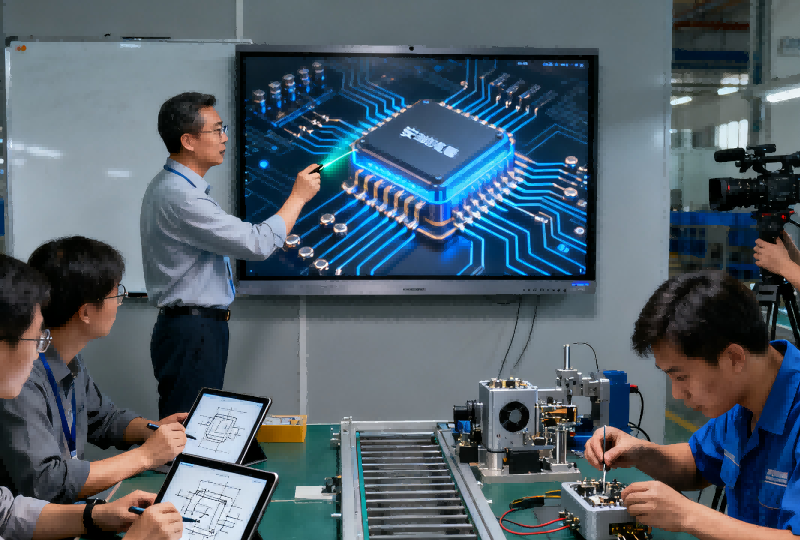
Environmental Sustainability and Recycling Excellence
Environmental stewardship represents a cornerstone advantage of the lead acid battery for electric car, as this technology boasts one of the most comprehensive and effective recycling programs in the entire battery industry, achieving recovery rates that exceed ninety-five percent of all battery materials. This exceptional recycling performance stems from well-established collection networks, specialized processing facilities, and proven metallurgical techniques that efficiently separate and purify lead, plastic components, and sulfuric acid for reuse in new battery manufacturing processes. The lead acid battery for electric car supports circular economy principles by minimizing waste generation and reducing dependence on virgin raw materials, creating a sustainable production cycle that benefits both manufacturers and environmental conservation efforts. Recycling infrastructure has been developed and refined over decades, with dedicated facilities strategically located to serve regional markets efficiently while minimizing transportation costs and associated carbon emissions. The process begins with safe collection and transportation protocols that ensure proper handling of used batteries, preventing environmental contamination while maximizing material recovery potential. Advanced smelting and refining techniques recover high-purity lead that meets or exceeds the quality standards required for new battery production, eliminating the need for extensive mining operations that would otherwise be necessary to source virgin materials. The lead acid battery for electric car recycling process also recovers polypropylene plastics used in battery cases and separators, which are cleaned, processed, and reused in new battery manufacturing or other industrial applications. Even the sulfuric acid electrolyte is neutralized, purified, and converted into industrial chemicals or fertilizers, ensuring that virtually no battery components end up in landfills or cause environmental harm. This comprehensive recycling capability reduces the overall carbon footprint of lead acid battery production by minimizing energy consumption and emissions associated with raw material extraction and processing, making the lead acid battery for electric car an environmentally responsible choice for sustainable transportation solutions.



 EN
EN