charger for 48v battery
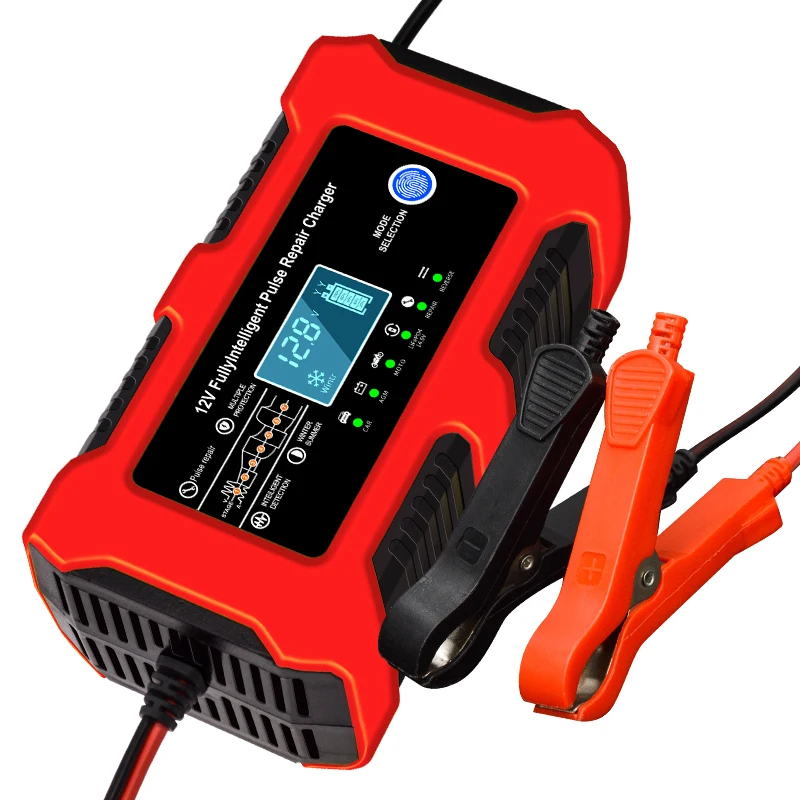
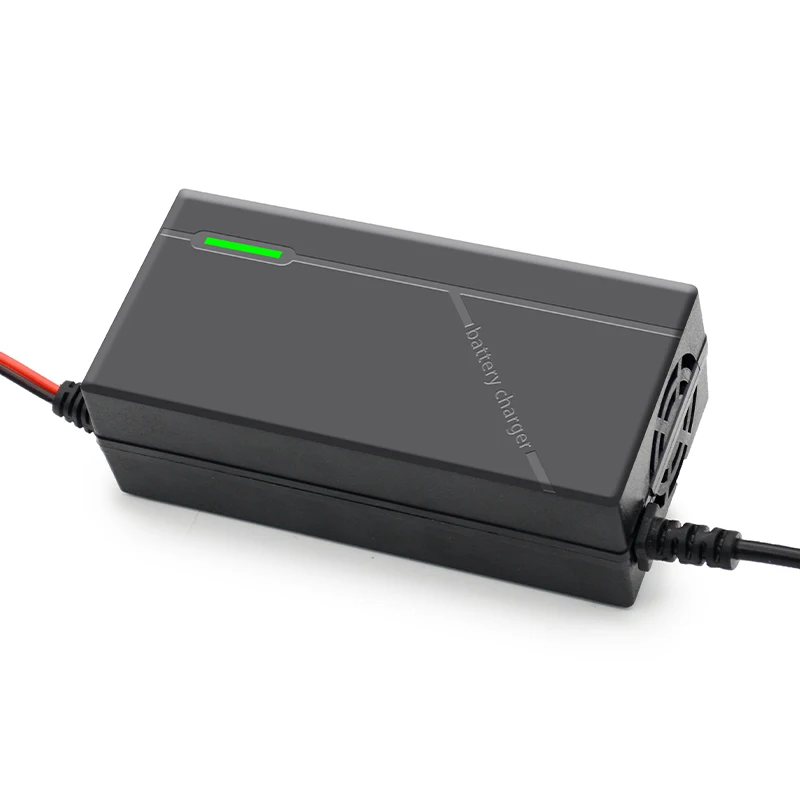
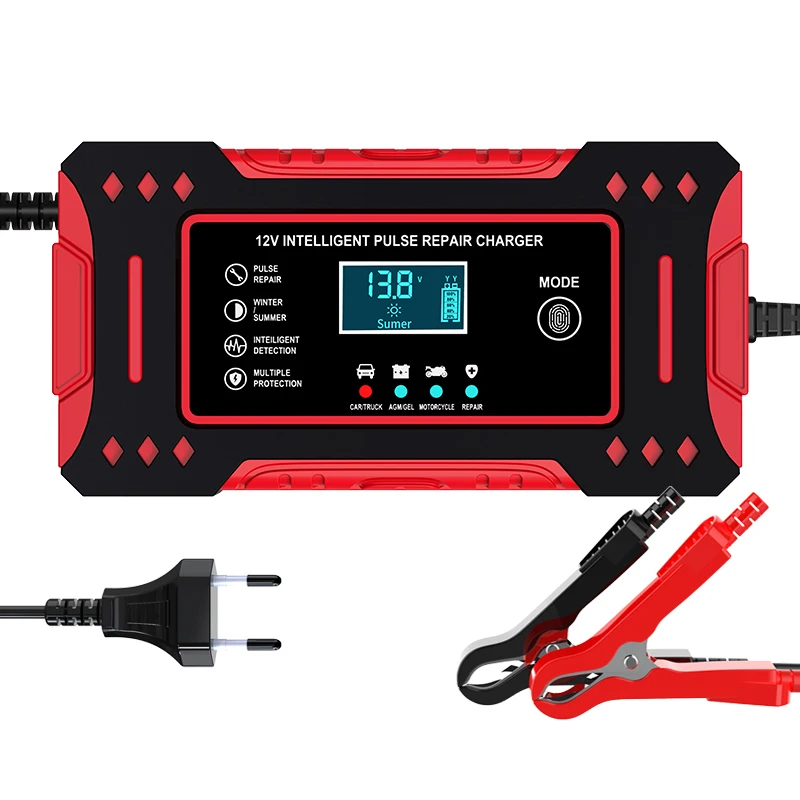
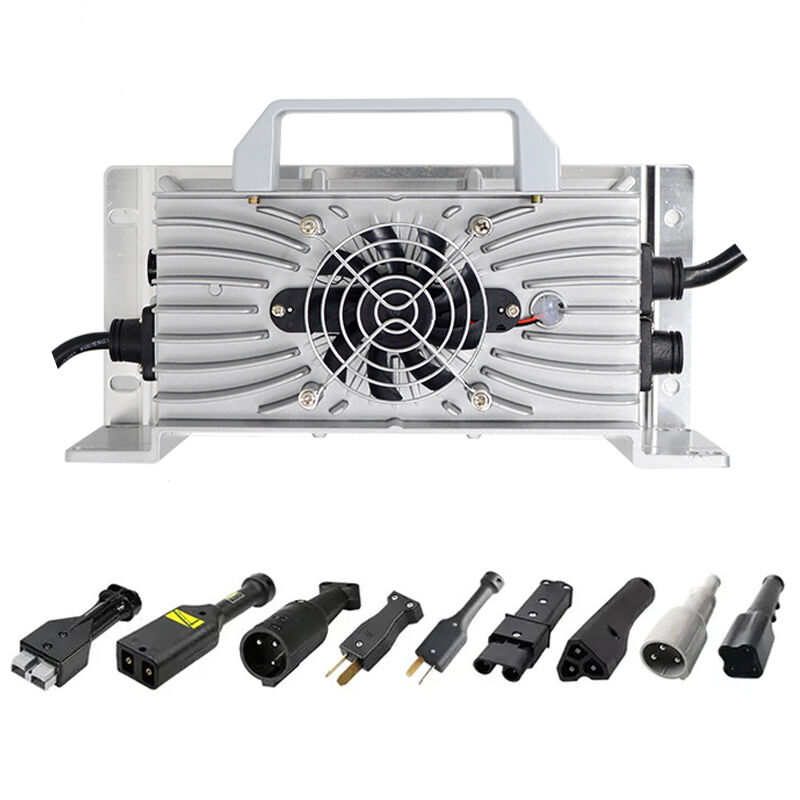
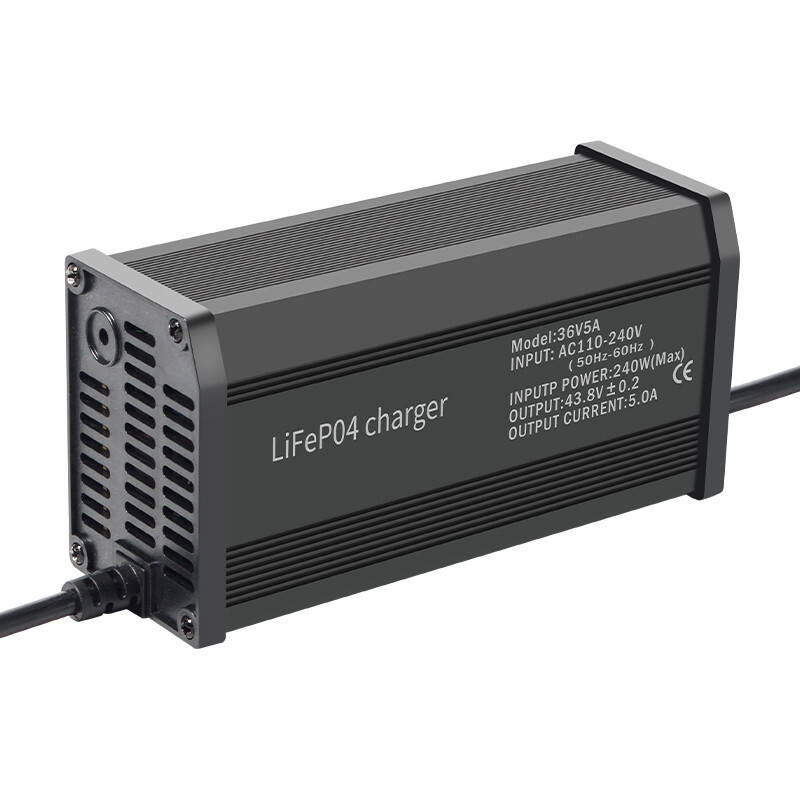
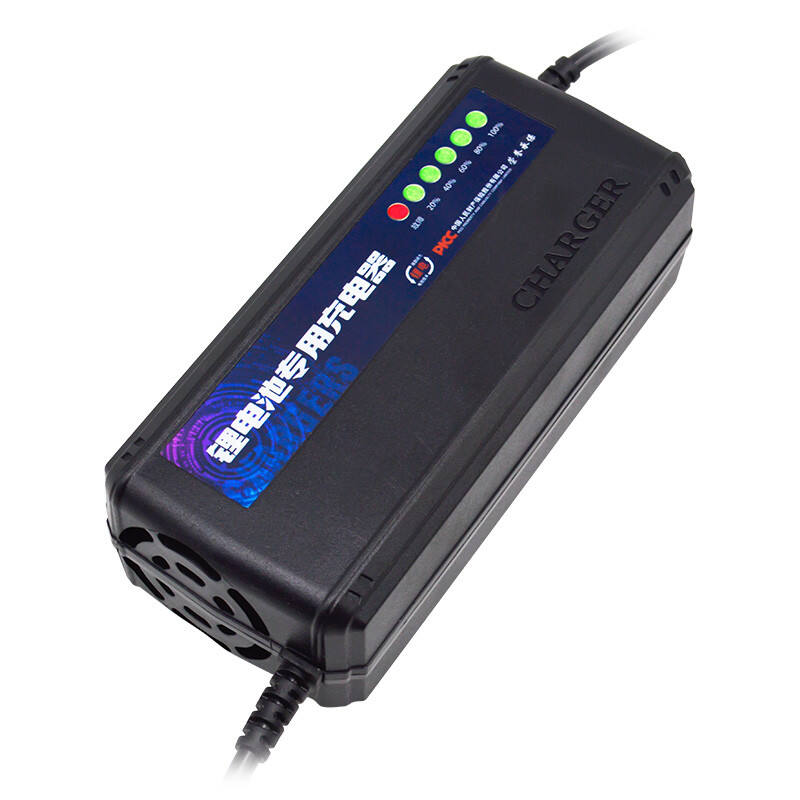
A charger for 48v battery represents a sophisticated power management solution designed to efficiently restore energy to 48-volt battery systems across multiple applications. These specialized charging devices incorporate advanced microprocessor technology to deliver precise voltage regulation, current control, and comprehensive battery health monitoring. Modern charger for 48v battery units feature multi-stage charging algorithms that optimize the charging process through bulk, absorption, and float phases, ensuring maximum battery lifespan and performance. The technological foundation of these chargers includes switch-mode power supply architecture, which provides superior efficiency while generating minimal heat during operation. Smart charging protocols automatically detect battery chemistry and condition, adjusting parameters accordingly to prevent overcharging, undercharging, and thermal damage. Temperature compensation mechanisms monitor ambient conditions and modify charging voltage to maintain optimal performance across varying environmental conditions. Safety features encompass reverse polarity protection, short circuit prevention, overcurrent safeguards, and thermal shutdown capabilities. Communication interfaces such as CAN bus, RS485, or Bluetooth connectivity enable remote monitoring and system integration. LED indicators and digital displays provide real-time status information including charging progress, fault conditions, and battery health metrics. Input voltage compatibility ranges typically accommodate 100-240V AC or specific DC input requirements, making these chargers versatile for residential, commercial, and industrial installations. Applications span electric vehicles, golf carts, marine vessels, solar energy storage systems, backup power supplies, material handling equipment, and telecommunications infrastructure. Power ratings vary from compact 2-amp units for maintenance charging to robust 50-amp industrial chargers capable of rapid battery restoration. Efficiency ratings often exceed 90 percent, reducing energy consumption and operating costs while minimizing environmental impact through reduced power waste.

 EN
EN