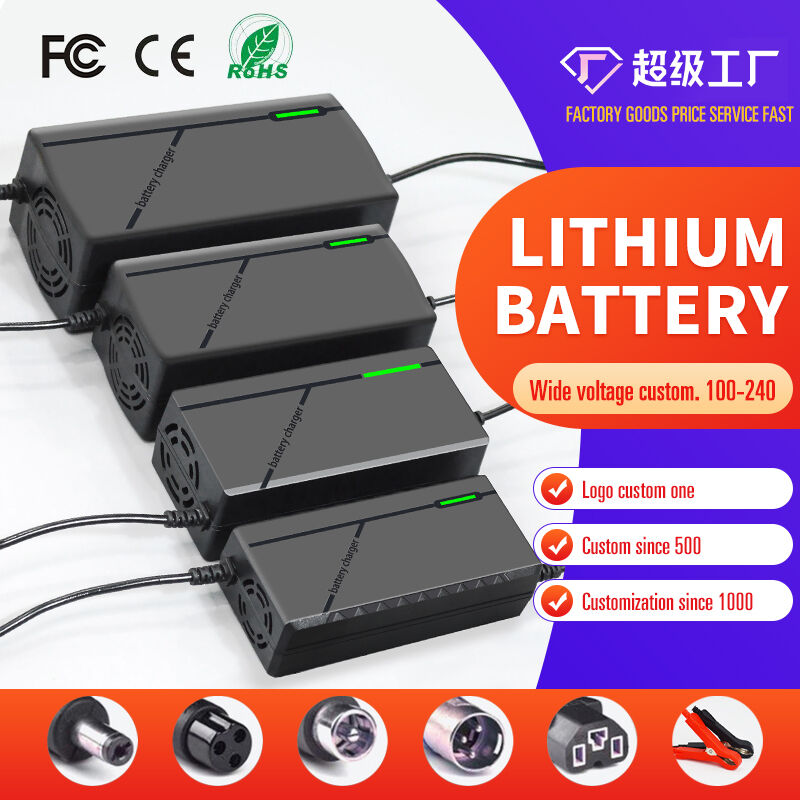
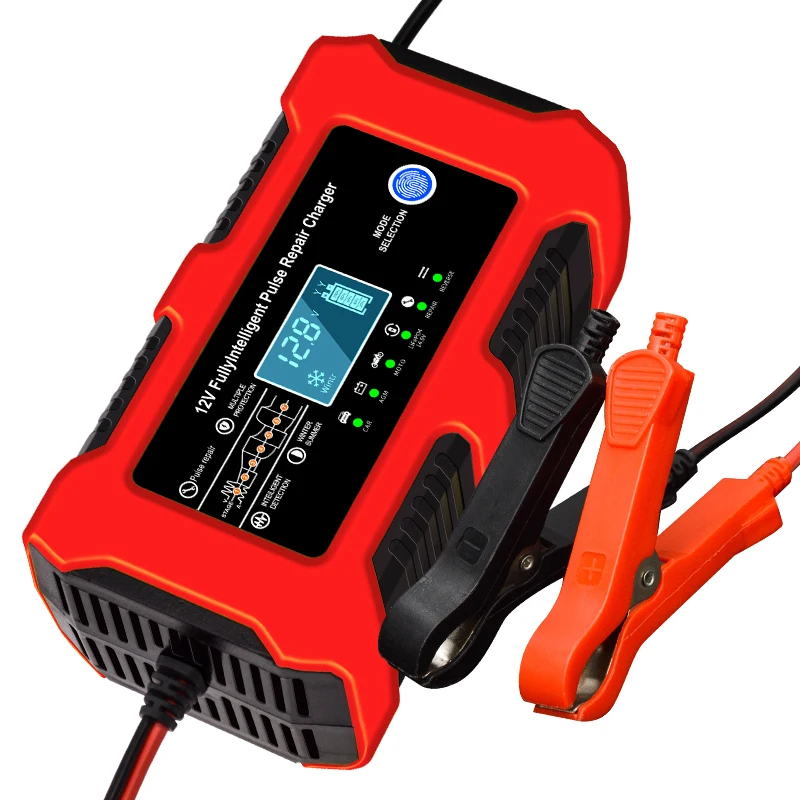
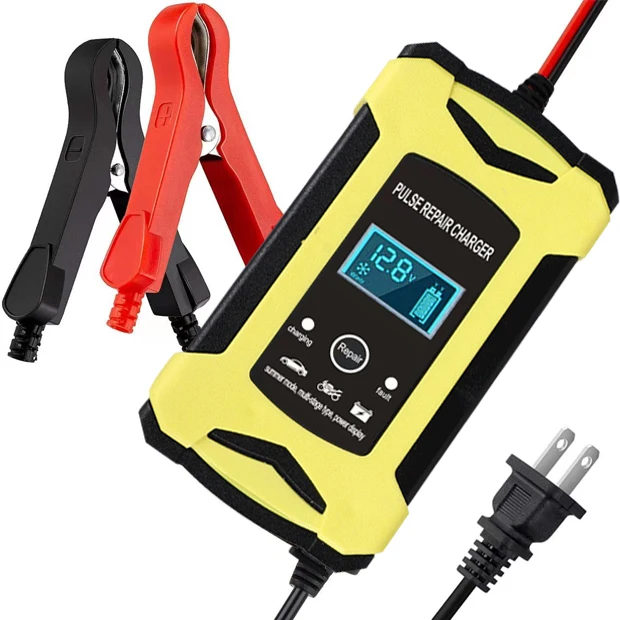
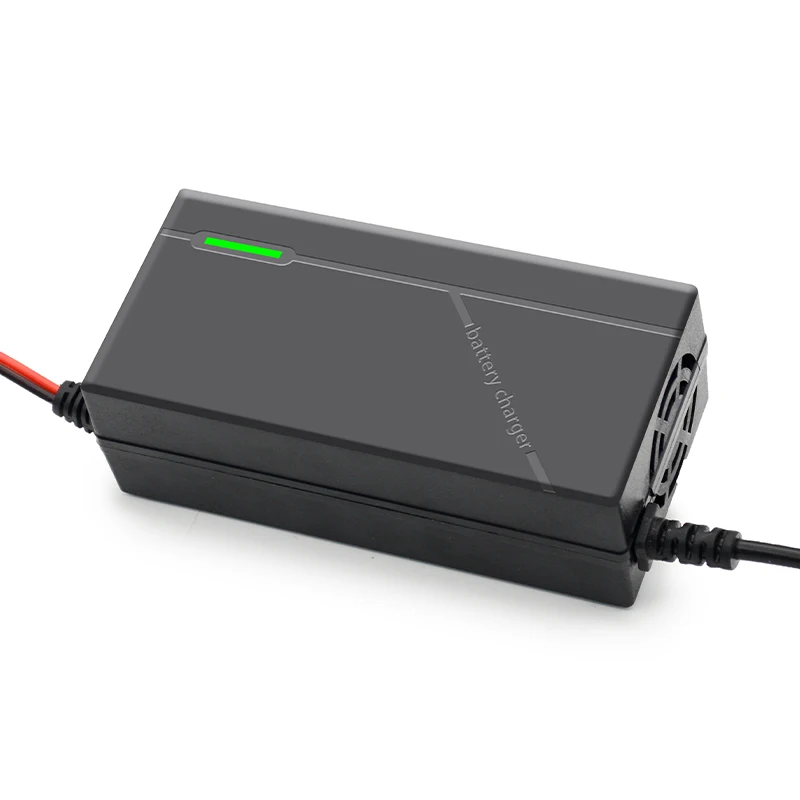
Professional Automotive Lithium Battery Charger - Fast, Safe & Smart Charging Solutions

Get a Free Quote

Our representative will contact you soon.
Email
Name
Company Name
Message
0/1000

automotive lithium battery charger

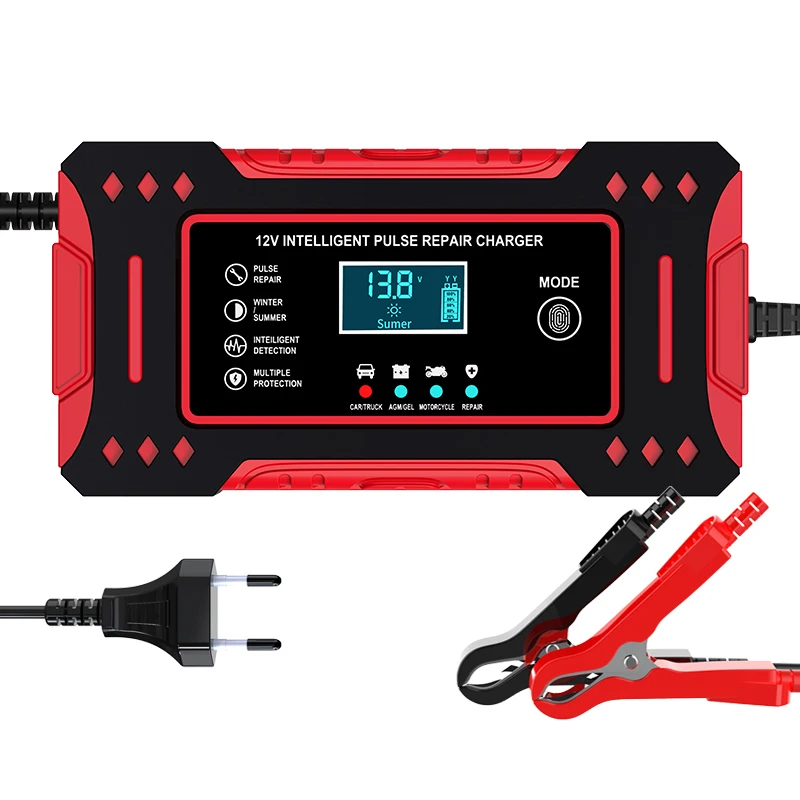
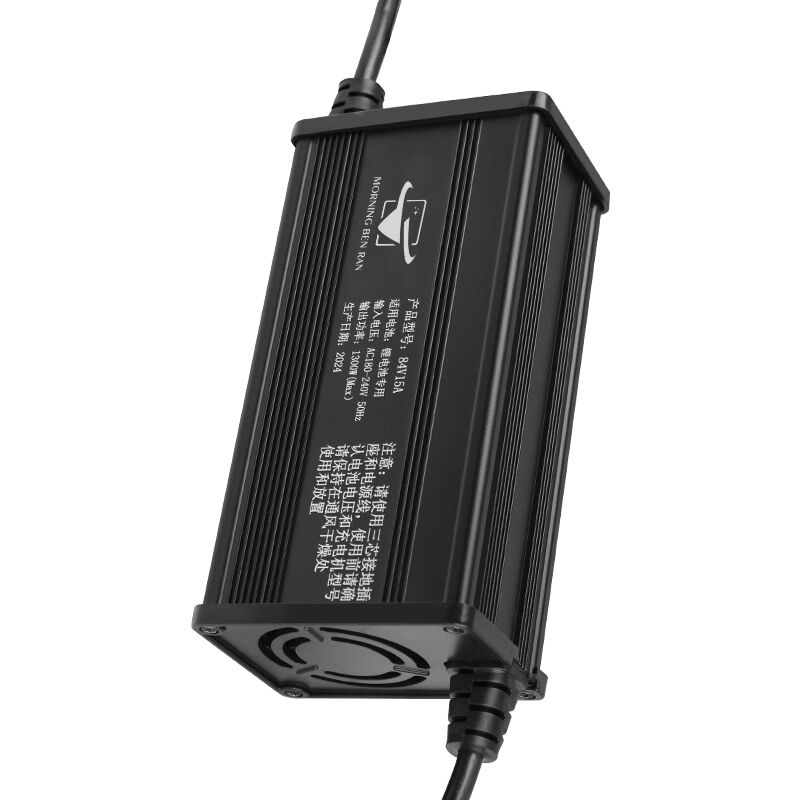
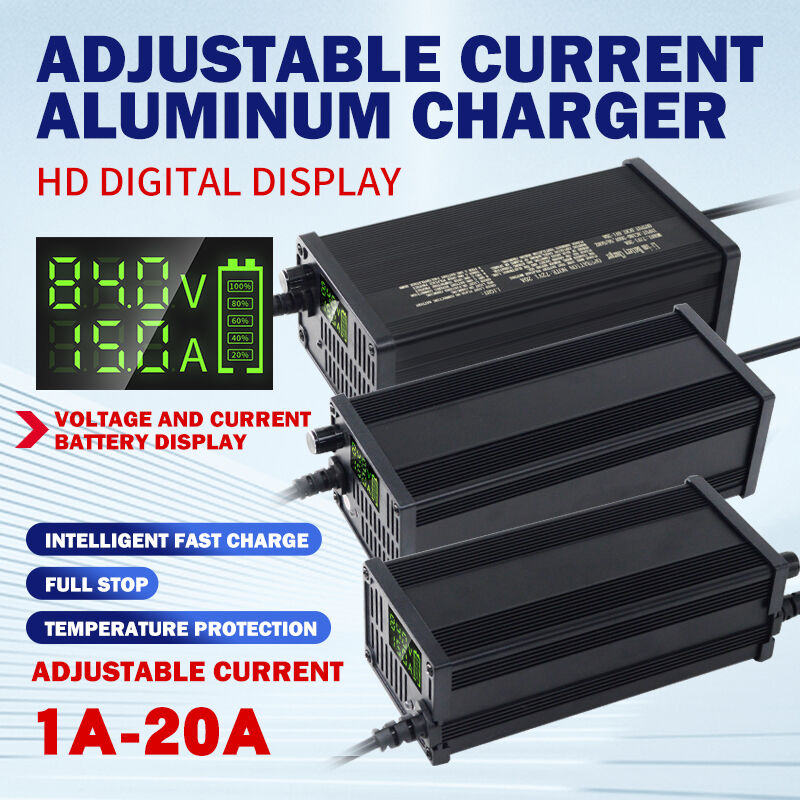
An automotive lithium battery charger represents a sophisticated electrical device engineered specifically to restore power to lithium-ion battery systems used in modern vehicles. These chargers deliver precise voltage and current levels required to safely and efficiently recharge automotive lithium batteries, which power everything from electric vehicles to hybrid systems and various automotive accessories. The primary function of an automotive lithium battery charger involves converting alternating current from standard electrical outlets into the direct current format that lithium batteries require for optimal charging. These devices incorporate advanced microprocessor technology that monitors battery status, temperature, and charging progress throughout the entire process. The charger automatically adjusts power delivery based on real-time battery conditions, ensuring maximum efficiency while preventing overcharging, overheating, and other potentially damaging scenarios. Key technological features include multi-stage charging algorithms that optimize battery life, built-in safety protocols with automatic shutdown capabilities, and intelligent communication systems that interface directly with battery management systems. Modern automotive lithium battery chargers often feature digital displays showing charging progress, estimated completion times, and diagnostic information. Many models incorporate wireless connectivity for remote monitoring and control through smartphone applications. The applications for automotive lithium battery chargers extend across multiple vehicle categories, including electric cars, plug-in hybrid vehicles, motorcycles, recreational vehicles, boats, and various commercial fleet applications. Professional automotive service centers rely on these chargers for maintenance and repair operations, while individual vehicle owners use portable versions for home charging solutions. Emergency response teams and roadside assistance services utilize automotive lithium battery chargers to restore power to stranded vehicles. The versatility of these charging systems makes them essential components in the growing electric vehicle infrastructure and sustainable transportation ecosystem.

New Product Recommendations

The automotive lithium battery charger offers numerous practical benefits that directly impact vehicle performance, cost savings, and user convenience. Fast charging capabilities represent one of the most significant advantages, allowing drivers to restore substantial battery power in minimal time compared to traditional charging methods. Most automotive lithium battery chargers can replenish battery capacity up to eighty percent within thirty to sixty minutes, dramatically reducing downtime and increasing vehicle availability. This rapid charging feature proves especially valuable for commercial fleet operators who need maximum vehicle uptime to maintain productivity and profitability. Safety enhancements built into automotive lithium battery chargers provide peace of mind for users at all experience levels. These chargers automatically detect connection errors, prevent reverse polarity damage, and shut down immediately when unsafe conditions occur. Temperature monitoring systems prevent overheating during charging cycles, while surge protection shields both the charger and vehicle electrical systems from power fluctuations. Cost effectiveness emerges as another compelling advantage, as automotive lithium battery chargers help extend battery lifespan through optimized charging patterns. Proper charging techniques can increase battery life by up to fifty percent compared to improper charging methods, resulting in significant replacement cost savings over time. Energy efficiency features reduce electricity consumption during charging processes, lowering operational costs while supporting environmental sustainability goals. User-friendly operation makes automotive lithium battery chargers accessible to individuals without technical expertise. Simple plug-and-play functionality eliminates complex setup procedures, while clear visual indicators guide users through each step of the charging process. Automatic charging programs remove guesswork by selecting optimal settings based on battery type and condition. Portable designs enable convenient transportation and storage, allowing users to charge batteries at multiple locations without requiring permanent installation. Diagnostic capabilities provide valuable insights into battery health and performance trends, helping users identify potential issues before they result in costly failures. Remote monitoring features allow fleet managers to track charging progress across multiple vehicles simultaneously, optimizing scheduling and resource allocation. Compatibility with various battery types and vehicle models ensures versatility across diverse automotive applications. Weather-resistant construction enables reliable operation in challenging environmental conditions, from extreme temperatures to high humidity levels.

Tips And Tricks

Tianchang Chaochen Electronic Technology Co., LTD. : Showcasing strength at the Canton Fair and empowering global new energy cooperation

26

Nov

Tianchang Chaochen Electronic Technology Co., LTD. : Showcasing strength at the Canton Fair and empowering global new energy cooperation

View More
Empower growth and move forward hand in hand

13

Nov

Empower growth and move forward hand in hand

View More
Article: Company Team-building

13

Nov

Article: Company Team-building

View More

Get a Free Quote

Our representative will contact you soon.
Email
Name
Company Name
Message
0/1000

automotive lithium battery charger

Advanced Multi-Stage Charging Technology

Advanced Multi-Stage Charging Technology

The automotive lithium battery charger incorporates sophisticated multi-stage charging technology that revolutionizes how lithium batteries receive and store electrical energy. This advanced system divides the charging process into distinct phases, each optimized for specific battery conditions and requirements. The initial bulk charging phase delivers maximum safe current to quickly restore battery capacity from deeply discharged states, typically bringing batteries from zero to approximately seventy percent capacity in the shortest possible time. During this phase, the automotive lithium battery charger continuously monitors voltage levels and automatically adjusts current flow to maintain optimal charging rates without causing stress or damage to battery cells. The absorption stage follows, where the charger reduces current while maintaining constant voltage to safely complete the charging cycle to nearly full capacity. This careful approach prevents overcharging while ensuring complete energy restoration. The final maintenance phase keeps batteries at optimal charge levels through periodic top-off cycles, preventing self-discharge and maintaining peak performance readiness. Smart algorithms within the automotive lithium battery charger analyze real-time battery data including temperature, internal resistance, and voltage characteristics to customize charging parameters for each specific battery configuration. This intelligent approach maximizes charging efficiency while extending overall battery lifespan significantly compared to conventional charging methods. Temperature compensation features automatically adjust charging voltages based on ambient and battery temperatures, preventing thermal damage while optimizing performance across various environmental conditions. The multi-stage technology also incorporates desulfation capabilities that help restore battery capacity by breaking down harmful sulfate crystal buildup that naturally occurs over time. Pulse charging techniques deliver carefully controlled electrical pulses that enhance chemical reactions within battery cells, improving charge acceptance and overall battery health. Memory functions store optimal charging profiles for frequently charged batteries, streamlining future charging sessions while maintaining consistency. This sophisticated charging approach ensures that automotive lithium battery chargers deliver superior performance, reliability, and longevity compared to basic charging alternatives, making them essential tools for professional automotive applications and discerning vehicle owners.
Comprehensive Safety Protection Systems

Comprehensive Safety Protection Systems

Safety represents the paramount concern in automotive lithium battery charger design, with multiple integrated protection systems working simultaneously to prevent accidents, equipment damage, and personal injury during charging operations. Reverse polarity protection serves as the first line of defense, automatically detecting incorrect terminal connections and preventing current flow until proper connections are established. This feature eliminates the risk of sparks, equipment damage, and potential battery explosion that can occur when positive and negative terminals are accidentally reversed. Overcurrent protection monitors electrical flow continuously, immediately shutting down charging operations when current levels exceed safe parameters for the connected battery system. Short circuit protection provides instant disconnection when electrical faults occur, preventing dangerous arcing and potential fire hazards. The automotive lithium battery charger includes sophisticated thermal management systems that monitor both charger and battery temperatures throughout charging cycles. When temperatures approach dangerous levels, automatic thermal shutdowns activate to prevent overheating damage and maintain safe operating conditions. Overvoltage protection prevents excessive voltage delivery that could damage sensitive battery management systems and electronic components within modern vehicles. Spark-proof technology ensures safe connection and disconnection procedures, even in environments with flammable vapors or gases. Ground fault circuit interruption capabilities detect electrical leakage and immediately disconnect power to prevent electrocution hazards. Advanced microprocessor control systems continuously analyze multiple safety parameters simultaneously, providing comprehensive protection that exceeds industry safety standards. Visual and audible alarm systems alert users to unsafe conditions, connection errors, or charging anomalies before they escalate into serious problems. Automatic charging termination prevents overcharging scenarios that could lead to battery swelling, leakage, or thermal runaway conditions. Insulation monitoring verifies electrical isolation integrity, ensuring safe operation even in wet or humid environments. The automotive lithium battery charger incorporates surge suppression technology that protects against power grid fluctuations and electrical storms. Child safety features include lockout mechanisms and tamper-resistant designs that prevent unauthorized access to electrical components. These comprehensive safety systems work seamlessly together, providing multiple layers of protection that ensure safe, reliable operation under all normal and many abnormal operating conditions.
Smart Connectivity and Diagnostic Capabilities

Smart Connectivity and Diagnostic Capabilities

Modern automotive lithium battery chargers integrate cutting-edge smart connectivity features and diagnostic capabilities that transform battery charging from a basic maintenance task into an intelligent, data-driven process. Wireless communication technology enables seamless connection between the charger and smartphones, tablets, or computer systems through dedicated mobile applications and web-based platforms. Users can monitor charging progress in real-time from remote locations, receiving instant notifications about charging status, completion times, and any detected issues or anomalies. The automotive lithium battery charger continuously collects and analyzes comprehensive battery data including voltage curves, current draw patterns, temperature fluctuations, and charging efficiency metrics. This information creates detailed battery health profiles that reveal performance trends, capacity degradation patterns, and optimal charging schedules for each individual battery system. Predictive maintenance algorithms analyze historical charging data to identify early warning signs of battery deterioration, allowing users to address potential problems before they result in unexpected failures or costly replacements. Cloud-based data storage ensures that battery performance information remains accessible across multiple devices and locations, while also enabling firmware updates that enhance charger functionality and add new features over time. Integration with vehicle telematics systems provides seamless communication between the automotive lithium battery charger and onboard diagnostic systems, enabling comprehensive vehicle health monitoring and maintenance scheduling. Fleet management capabilities allow operators to monitor multiple vehicles simultaneously, optimizing charging schedules, tracking energy consumption, and identifying underperforming batteries across entire vehicle fleets. Advanced diagnostic functions include battery capacity testing, internal resistance measurement, and load testing capabilities that provide detailed assessments of battery condition and remaining useful life. Automated reporting features generate detailed charging logs, maintenance schedules, and performance summaries that support warranty claims, compliance documentation, and operational planning. Machine learning algorithms continuously improve charging efficiency by analyzing usage patterns and environmental factors, automatically adjusting charging parameters to maximize battery life and performance. Remote troubleshooting capabilities enable technical support teams to diagnose and resolve charging issues without requiring on-site visits, reducing downtime and maintenance costs. The smart connectivity features also support integration with renewable energy systems, allowing users to optimize charging schedules based on solar panel output, utility rates, and grid demand patterns for maximum cost savings and environmental benefits.
Get a Free Quote

Our representative will contact you soon.
Email
Name
Company Name
Message
0/1000