Universal Battery Compatibility and Smart Detection
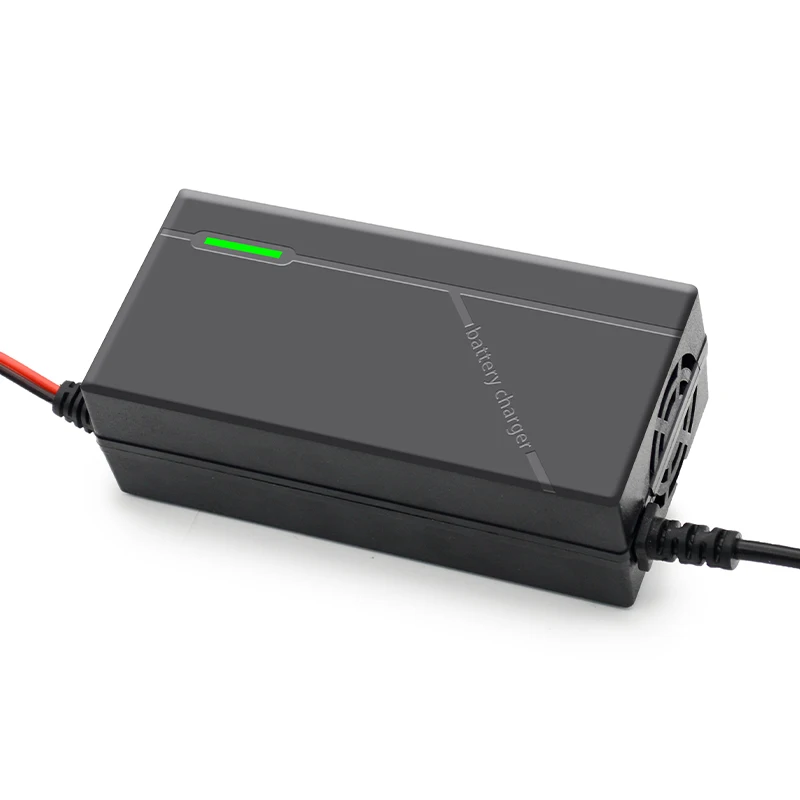
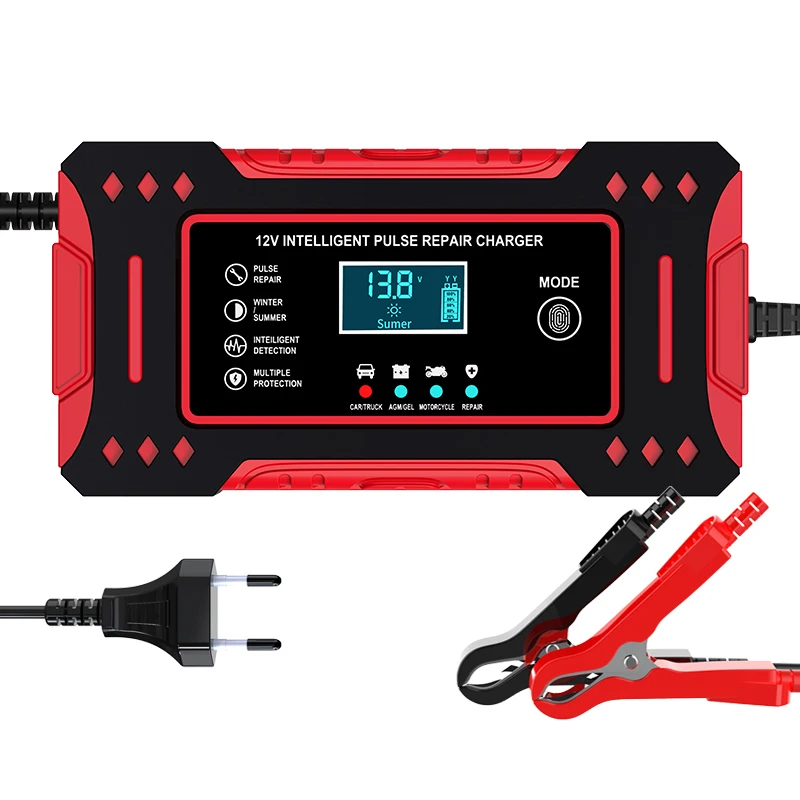
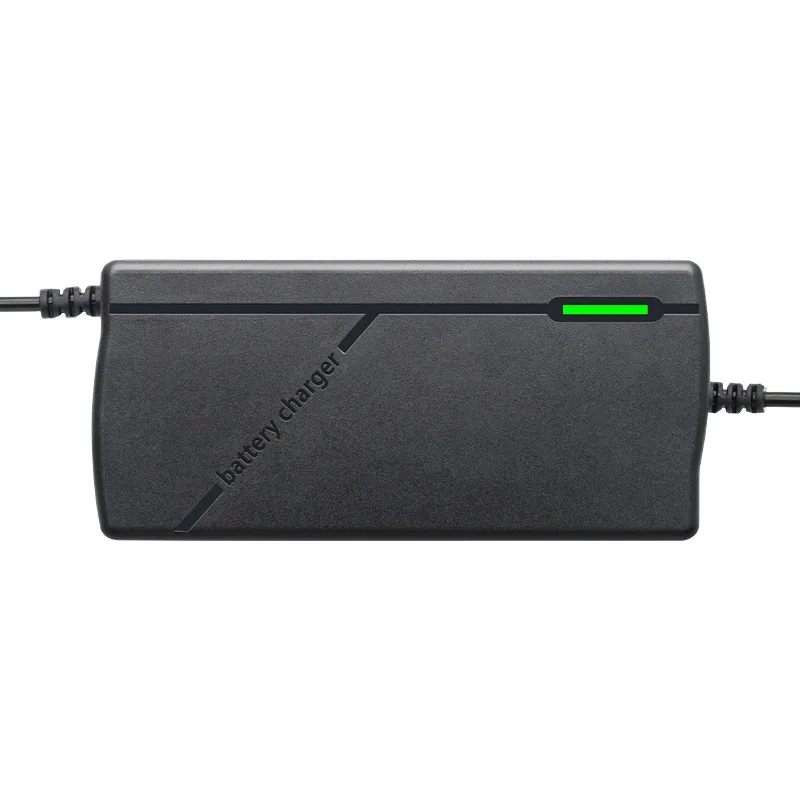
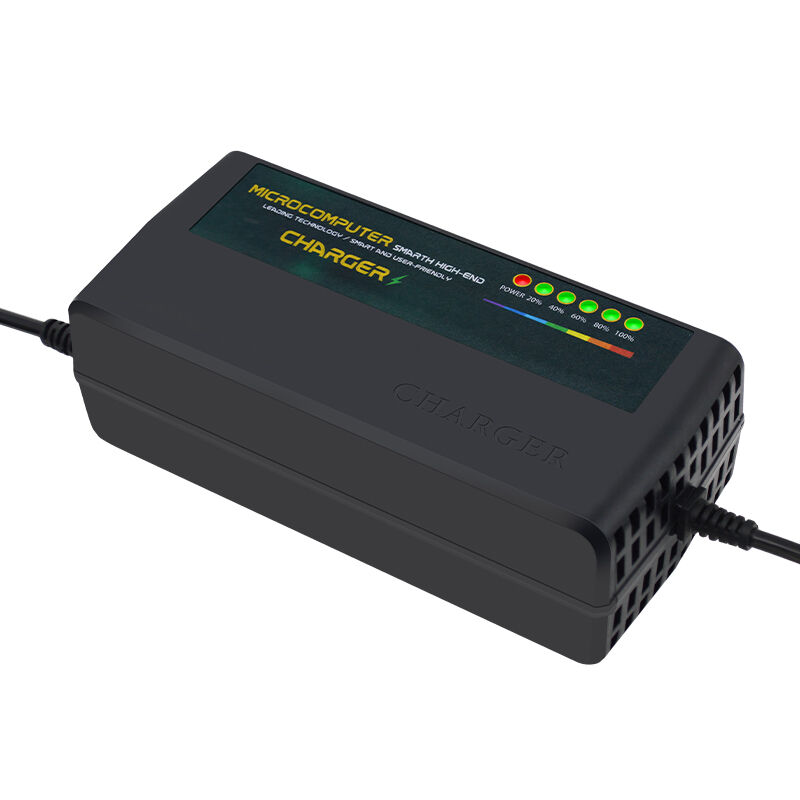
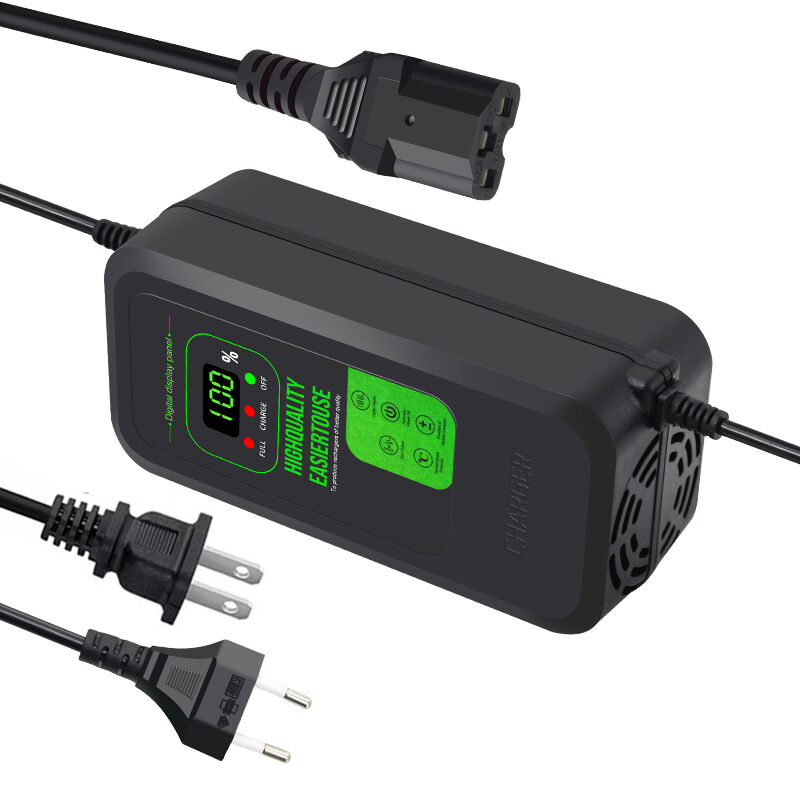
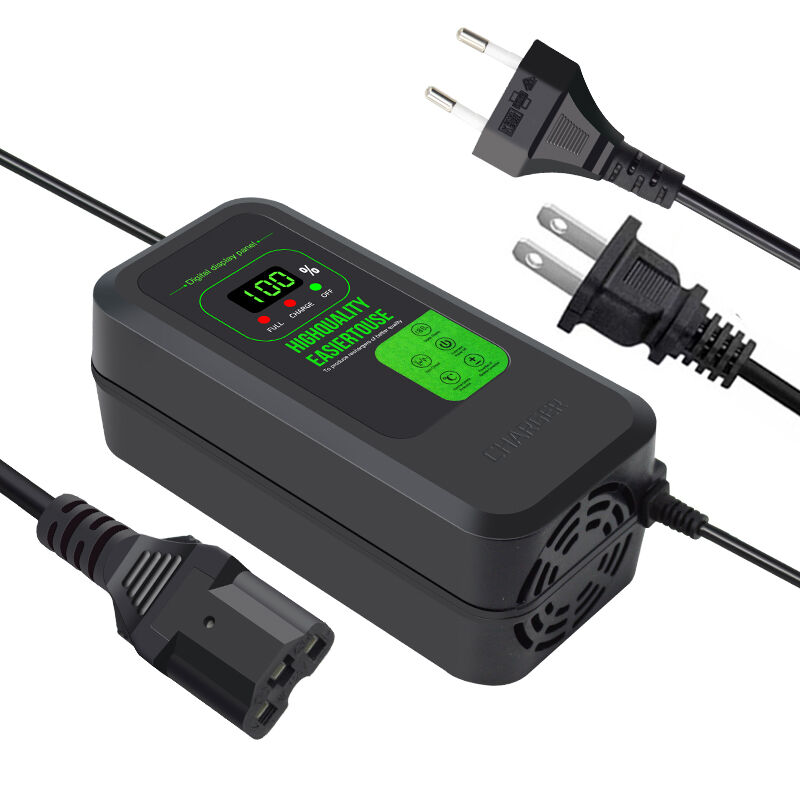
Modern 48 volt golf cart batteries charger technology incorporates universal compatibility features that automatically detect and adapt to various battery types, eliminating the complexity and potential errors associated with manual configuration settings. This intelligent detection capability represents a significant advancement in charging technology, allowing a single charger to safely and effectively service lead-acid, AGM, gel cell, and even lithium-ion battery systems without requiring user intervention or technical expertise. The automatic detection process begins immediately upon connection, with the 48 volt golf cart batteries charger performing sophisticated diagnostic routines that analyze battery characteristics including internal resistance, voltage patterns, and chemical response signatures. This information enables the charger to select optimal charging profiles specifically tailored to the connected battery type, ensuring maximum efficiency and safety throughout the charging process. For lead-acid batteries, the charger implements traditional multi-stage profiles with appropriate voltage thresholds and current limitations, while lithium-ion systems receive precisely controlled constant-current and constant-voltage sequences that respect the unique requirements of lithium chemistry. The compatibility extends beyond basic charging functions to include specialized maintenance routines such as equalization cycles for lead-acid batteries and balancing procedures for lithium systems. Equalization helps prevent stratification in flooded lead-acid cells by deliberately overcharging to mix electrolyte solutions, while lithium balancing ensures individual cell voltages remain within safe operating ranges. Safety protocols embedded within the 48 volt golf cart batteries charger continuously monitor for improper connections, damaged batteries, or incompatible systems, immediately terminating charging operations if hazardous conditions are detected. This protection extends to reverse polarity detection, which prevents damage from incorrect cable connections, and thermal monitoring that responds to excessive heat generation during charging. The universal nature of these chargers proves particularly valuable in fleet operations where multiple battery types might be present, or for users who upgrade their battery systems over time. Installation flexibility accommodates various mounting configurations and electrical connections, while weather-resistant housings protect sensitive electronics in outdoor environments. User-friendly indicator systems provide clear feedback about charging status, battery condition, and any fault conditions that require attention, making these sophisticated systems accessible to operators regardless of technical background or experience level.

 EN
EN