 EN

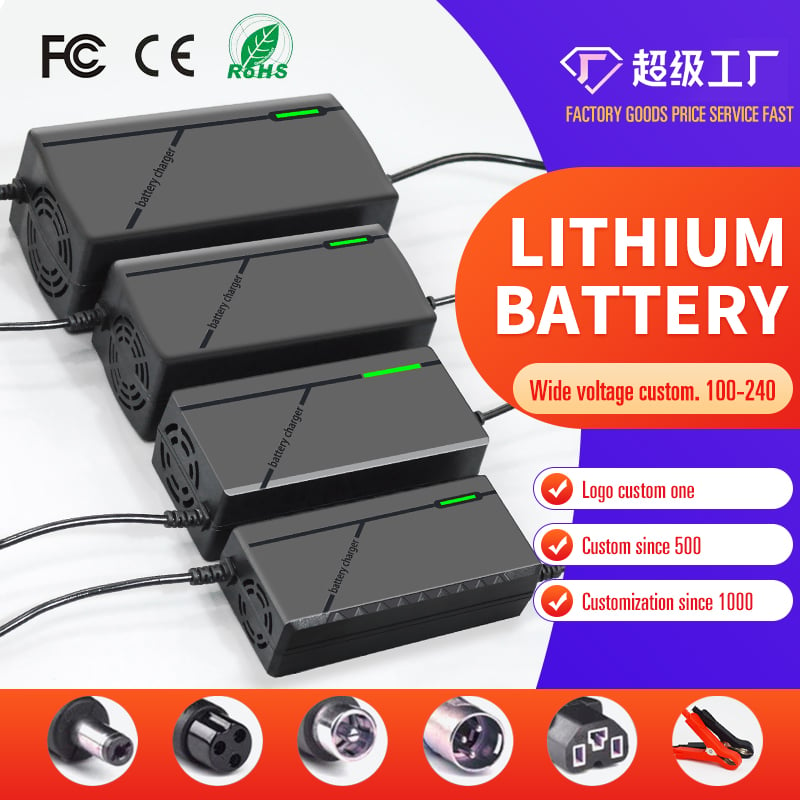
A lifepo4 battery charger represents a critical investment for anyone relying on lithium iron phosphate batteries in commercial, industrial, or renewable energy applications. Unlike conventional chargers designed for lead-acid systems, a specialized lifepo4 battery charger incorporates advanced electronics and intelligent management protocols that safeguard battery health while optimizing charging speed and efficiency. Understanding what makes a lifepo4 battery charger fundamentally different—and superior—requires examining both the technical innovations and the practical benefits that drive modern energy storage solutions.
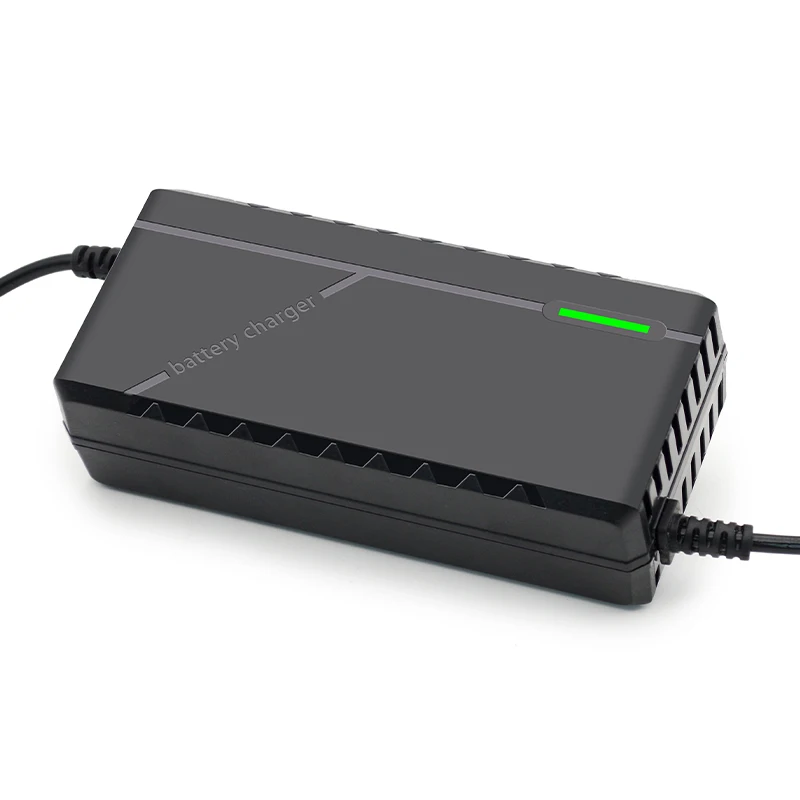
The demand for reliable lifepo4 battery charger technology has surged as industries transition toward cleaner, longer-lasting energy storage. LiFePO4 batteries offer exceptional cycle life, thermal stability, and safety characteristics that exceed traditional lithium-ion chemistries, but only when paired with a compatible lifepo4 battery charger that understands these unique requirements. A properly engineered lifepo4 battery charger does far more than simply supply electrical current; it actively manages voltage, current, temperature, and cell balance to extend battery lifespan and prevent damage or safety hazards.
Core Safety Advantages of Advanced LiFePO4 Battery Charger Technology
Integrated Battery Management Systems
The safety foundation of any lifepo4 battery charger begins with its battery management system (BMS) integration. A modern lifepo4 battery charger continuously monitors individual cell voltages, current draw, and pack temperature throughout the charging cycle. This real-time oversight prevents overvoltage conditions that could degrade cells or trigger thermal runaway—a critical concern with any lithium chemistry. The lifepo4 battery charger's BMS communicates with the battery pack to ensure that no single cell exceeds safe voltage thresholds, distributing charge evenly across the entire battery string.
Temperature management is equally vital in a quality lifepo4 battery charger. These devices incorporate thermal sensors and intelligent algorithms that adjust charging rates based on ambient and battery temperature. If a lifepo4 battery charger detects temperature rising beyond safe parameters, it automatically reduces current or pauses charging entirely, preventing heat-related damage or fire risk. This active thermal control is one reason why a lifepo4 battery charger outperforms generic chargers in harsh or variable climate conditions.
Protective Circuits and Fault Detection
Every professional-grade lifepo4 battery charger includes multiple layers of protective circuitry designed to halt charging immediately if dangerous conditions are detected. A lifepo4 battery charger monitors for short circuits, reverse polarity, and ground faults that could otherwise compromise safety. When a lifepo4 battery charger identifies any anomaly, it triggers automatic disconnection, preventing cascading failures or equipment damage.
The isolation and surge protection built into a lifepo4 battery charger also protects connected equipment from electrical transients or power surges. This design philosophy extends the lifespan of both the charger and the battery pack while reducing the risk of fire, explosion, or electrical shock to operators and nearby personnel.
Efficiency Features That Drive Superior Charging Performance
Multi-Stage Charging Algorithms
A lifepo4 battery charger employs sophisticated multi-stage algorithms that optimize both charging speed and energy efficiency. The constant-current stage of a lifepo4 battery charger draws maximum current safely until the pack reaches approximately 80 percent state of charge, minimizing charging time for urgent applications. The constant-voltage stage then tapers current progressively as the lifepo4 battery charger brings the pack to full charge, protecting cell integrity and maximizing cycle longevity.
This intelligent approach means a lifepo4 battery charger can fast-charge without sacrificing battery health. Unlike older trickle-charge methods that waste energy and extend charging time indefinitely, a modern lifepo4 battery charger completes full charges in hours rather than days, while maintaining conversion efficiency above 90 percent in most industrial scenarios.
Dynamic Load Balancing and Cell Equalization
Cell voltage imbalance degrades battery performance and shortens lifespan, but a high-performance lifepo4 battery charger prevents this through active equalization circuits. These circuits detect when individual cells drift outside optimal voltage ranges and apply corrective charging to bring them back into alignment. The lifepo4 battery charger performs this equalization automatically during regular charging cycles, ensuring that every cell in the pack contributes equally to overall capacity and performance.
This balancing capability embedded in a lifepo4 battery charger is why LiFePO4 packs consistently deliver more usable energy per cycle and maintain performance longer than unbalanced alternatives. Industrial operators benefit from reduced downtime, fewer battery replacements, and more predictable system performance.
Practical Efficiency Benefits and Real-World Application Impact
Extended Battery Cycle Life and Total Cost of Ownership
The efficiency of a lifepo4 battery charger directly translates to extended battery cycle life and dramatically lower total cost of ownership over time. LiFePO4 chemistry already offers 3,000 to 10,000 cycles under ideal conditions, but using a substandard or incompatible charger can reduce that to just 500 to 1,000 cycles. A dedicated lifepo4 battery charger preserves the chemistry's natural advantages, ensuring that your investment pays dividends across years of operation rather than months.
When a lifepo4 battery charger maintains optimal charging conditions, battery degradation slows dramatically. This means fewer replacement cycles, lower spare inventory requirements, and more stable system performance. For commercial solar installations, telecom backup systems, or electric vehicle fleets, a quality lifepo4 battery charger pays for itself through extended equipment life.
Reduced Energy Waste and Lower Operating Costs
A premium lifepo4 battery charger minimizes energy losses during the charging process through high-efficiency power conversion designs. Where older chargers might waste 10 to 15 percent of input energy as heat, a modern lifepo4 battery charger typically converts 92 to 95 percent of input power into stored battery energy. Over thousands of charging cycles, this efficiency difference compounds into substantial savings on electricity costs.
Additionally, the lifepo4 battery charger's ability to charge faster means equipment sits idle for less time. In commercial applications, faster equipment availability directly increases productivity and revenue, making a lifepo4 battery charger investment economically justified beyond energy savings alone.
FAQ
Why is a dedicated LiFePO4 battery charger necessary instead of a generic lithium charger?
LiFePO4 batteries have different voltage curves and thermal characteristics than standard lithium-ion cells. A generic charger may overcharge LiFePO4 packs or apply inappropriate current profiles, damaging cells and voiding warranties. A specialized lifepo4 battery charger understands these differences and applies correct algorithms, protecting your investment and ensuring safe, efficient operation.
Can a LiFePO4 battery charger work with lead-acid or other battery types?
Some advanced lifepo4 battery charger models include multi-chemistry capability and can safely charge lead-acid, lithium-ion, and LiFePO4 batteries by automatically detecting battery type and adjusting parameters accordingly. However, a lifepo4 battery charger optimized exclusively for LiFePO4 typically delivers superior results for that chemistry. Always verify charger specifications before attempting multi-chemistry operation.
What maintenance does a LiFePO4 battery charger require?
A quality lifepo4 battery charger requires minimal maintenance when properly installed. Keep cooling vents clear of dust, verify connections remain tight, and check the display or indicator lights periodically to confirm normal operation. A lifepo4 battery charger's internal components are solid-state electronics with no moving parts, so wear is uncommon in professional-grade units designed for industrial applications.