 EN

Selecting the right waterproof battery charger is essential when you work in challenging environments where moisture, dust, and extreme conditions are routine. A waterproof battery charger designed for outdoor, industrial, or marine applications must balance performance, durability, and safety. Whether you power electric bikes, backup power systems, or specialized equipment, the wrong waterproof battery charger choice can lead to equipment failure, safety hazards, or unexpected downtime. This guide walks you through the critical factors that determine whether a waterproof battery charger is truly suitable for your specific needs.
A proper waterproof battery charger protects your investment and ensures reliable operation when conditions matter most. The selection process requires understanding voltage compatibility, charging speed, protection features, and environmental ratings. Industrial operators, outdoor enthusiasts, and equipment manufacturers all depend on a robust waterproof battery charger to maintain uptime and safety. By evaluating these key dimensions systematically, you can confidently choose a waterproof battery charger that meets your operational demands without compromise.
Understanding Voltage and Power Requirements
Matching Your Battery System Specifications
The first step in selecting a waterproof battery charger is confirming voltage compatibility with your battery system. A waterproof battery charger designed for 24V lithium batteries cannot safely charge 48V or 72V systems, and vice versa. Most industrial waterproof battery charger models are engineered for specific voltage outputs such as 36V, 48V, 60V, or 84V. Mismatched voltage between your waterproof battery charger and battery pack causes either insufficient charging or dangerous overvoltage damage. Always verify the exact voltage rating printed on both your battery management system and the waterproof battery charger specification sheet before purchase.
Amperage Capacity and Charging Speed
Beyond voltage, the amperage rating of your waterproof battery charger determines how quickly your battery reaches full charge. A 10A waterproof battery charger will charge faster than a 5A unit, but faster charging generates more heat and requires robust thermal management. Industrial operations often prefer a waterproof battery charger with moderate amperage and intelligent thermal control rather than maximum amperage that risks battery degradation. Your waterproof battery charger amperage should align with your battery pack capacity and your operational schedule. If you need rapid turnaround between shifts, invest in a higher-amperage waterproof battery charger. If charging happens overnight, a standard-amperage waterproof battery charger extends battery lifespan through gentler charging curves.
Environmental Protection and Durability Ratings
IP Rating and Water Resistance Standards
The IP (Ingress Protection) rating is the primary indicator of how well your waterproof battery charger resists moisture and dust infiltration. An IP65-rated waterproof battery charger withstands low-pressure water jets and dust but is not suitable for submersion. An IP67-rated waterproof battery charger can be temporarily immersed in water up to 1 meter and offers superior outdoor protection. For marine and extreme industrial environments, seek an IP68-rated waterproof battery charger with full submersion capability. The waterproof battery charger rating also applies to connector ports, so verify that charging connectors are sealed and weatherproof. A high IP rating protects your waterproof battery charger investment and eliminates corrosion failures in wet conditions.
Material Construction and Thermal Management
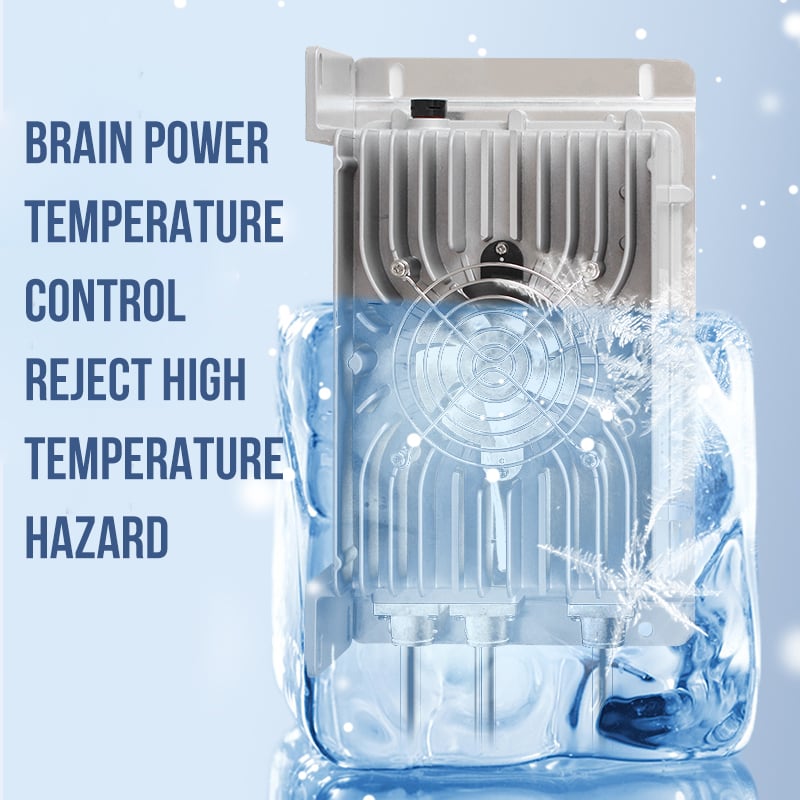
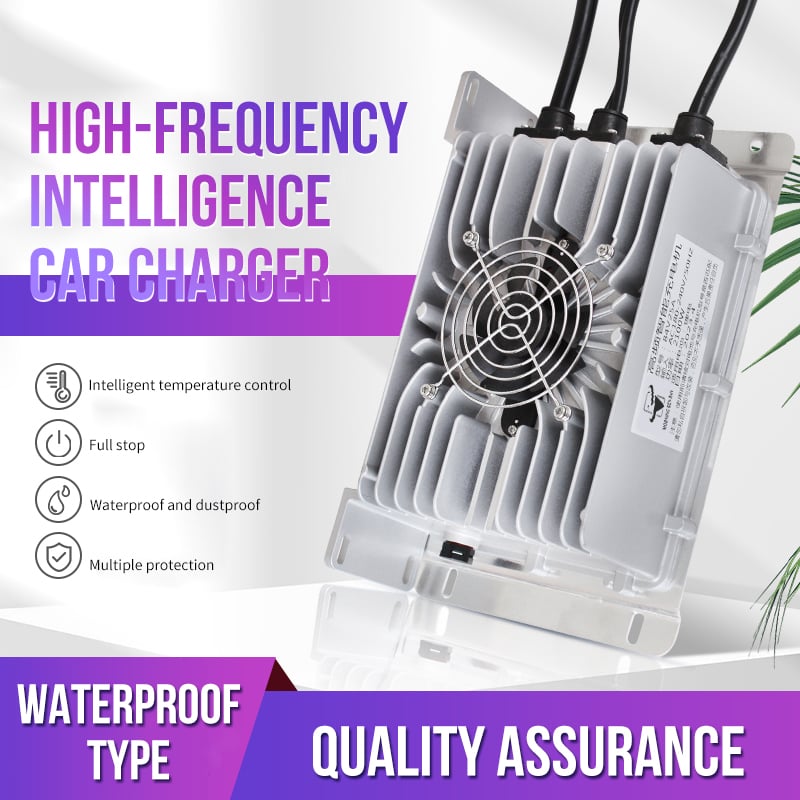
The housing material of your waterproof battery charger significantly affects durability and performance. Aluminum enclosures on premium waterproof battery charger models provide excellent heat dissipation and lightweight portability while resisting corrosion in salt-air environments. Plastic-housed waterproof battery charger units cost less but may degrade under UV exposure or extreme temperature swings. A quality waterproof battery charger incorporates internal cooling vents or passive heat sinks to prevent thermal runaway during continuous operation. Industrial-grade waterproof battery charger designs include gaskets, sealed connectors, and conformal coating on circuit boards to resist moisture infiltration. When evaluating waterproof battery charger options, inspect not just the external rating but the internal construction quality that ensures long-term reliability.
Safety Features and Intelligent Charging Technology
Protection Mechanisms and Fault Detection
A dependable waterproof battery charger must incorporate multiple safety circuits to prevent overcharging, short circuits, and temperature excursions. Modern waterproof battery charger units feature microprocessor-controlled monitoring that continuously adjusts charging current based on battery state and temperature. Your waterproof battery charger should include over-voltage protection, over-current protection, and thermal shutdown to safeguard both the charger and battery. Lithium battery systems require a waterproof battery charger with cell-balancing capability to equalize individual cell voltages and extend pack lifespan. The waterproof battery charger should provide LED or digital indicators showing charging status, fault codes, and completion signals. Industrial operators depend on a waterproof battery charger with automatic fault recovery and the ability to resume charging after temporary interruptions.
Compatibility with Battery Management Systems
Many advanced battery packs rely on integrated battery management systems (BMS) that communicate with the waterproof battery charger during the charging process. Your waterproof battery charger must support the same communication protocol as your BMS, whether CAN-bus, SMBus, or proprietary handshake. A mismatch between waterproof battery charger protocol and BMS will result in failed charging initiation or safety lockouts. Premium waterproof battery charger models designed for electric vehicles or energy storage systems include multi-stage charging profiles that optimize battery health. Always confirm that your chosen waterproof battery charger explicitly supports your specific battery chemistry and management system before committing to purchase. The waterproof battery charger datasheet should clearly state BMS compatibility and supported battery chemistries such as lithium-iron-phosphate, lithium-polymer, or lead-acid.
Application Scenarios and Operational Context
Outdoor and Industrial Use Cases
The intended operating environment shapes which waterproof battery charger features matter most to your operation. A waterproof battery charger for electric bikes and scooters needs compact, lightweight design with weather resistance suitable for residential storage or commercial charging hubs. A waterproof battery charger for construction equipment or mining operations must endure dust storms, mud, and temperature extremes while maintaining safety certifications. Marine applications demand a waterproof battery charger with corrosion-resistant aluminum housing and full submersion protection against salt spray. Backup power and emergency response systems require a portable waterproof battery charger with extended warranty and technical support. By clarifying your specific operational context, you can prioritize the waterproof battery charger attributes that deliver the most value for your investment.
Portability and Power Supply Options
Consider whether your waterproof battery charger needs to move between job sites or remain stationary during charging cycles. Lightweight, handle-equipped waterproof battery charger designs are ideal for field technicians and mobile service operations, while heavier stationary waterproof battery charger units with larger cooling fins suit permanent installations. Your waterproof battery charger power input options also matter significantly. Most portable waterproof battery charger units connect to standard 120V or 240V AC outlets, while industrial installations may require 480V three-phase input. Some advanced waterproof battery charger models support dual input options or solar panel integration for truly remote operations. Evaluate whether your facility has adequate electrical infrastructure to support your chosen waterproof battery charger, or whether portable, lower-power alternatives suit your workflow better.
FAQ
What IP rating should a waterproof battery charger have for outdoor use?
For reliable outdoor protection, select a waterproof battery charger with at least an IP65 rating to resist rain and dust. IP67-rated models offer temporary submersion protection, while IP68 provides full submersion capability. The choice depends on your specific weather exposure and whether your charger might encounter standing water or prolonged rain exposure during operation.
Can a waterproof battery charger work with multiple battery voltages?
Most waterproof battery charger models are designed for a single specific voltage output such as 48V or 84V. Universal or multi-voltage waterproof battery charger units exist but are less common and typically more expensive. Always verify that your chosen waterproof battery charger matches your battery system voltage exactly to avoid damage or charging failure.
How do I know if a waterproof battery charger is compatible with my battery management system?
Check the waterproof battery charger datasheet or product specifications for explicit BMS compatibility statements and supported communication protocols. Contact the manufacturer directly if the documentation is unclear. A reliable waterproof battery charger supplier will provide detailed compatibility matrices and technical support to confirm your system will work correctly before purchase.