 EN
EN

Selecting the right golf cart battery charger is one of the most important decisions you can make to extend the lifespan of your electric vehicle. A properly matched charger ensures your batteries charge efficiently, maintain optimal health, and deliver consistent performance on the course or around your property. Whether you operate a single golf cart or manage a fleet, understanding the key factors that influence charger selection will help you avoid costly mistakes and protect your investment.
The process of choosing a golf cart battery charger involves evaluating multiple technical and practical factors specific to your vehicle and usage patterns. Your charger must match your battery voltage system, support your daily driving distance, and align with your maintenance preferences. This comprehensive guide walks you through the essential considerations that separate an appropriate charger from one that will underperform or damage your batteries over time.
Understanding Your Battery Voltage Requirements
Identifying Your System Voltage
Golf carts operate on standardized voltage systems, with 48-volt systems being the most common in modern recreational and commercial vehicles. Some older models or specialized applications use 36-volt or 72-volt configurations, making voltage identification your first critical step. Check your cart's battery bank to count the individual 6-volt or 12-volt units, or consult your owner's manual to confirm the exact voltage. Selecting a 48 volt battery charger for golf carts that doesn't match your system voltage will render it incompatible and potentially dangerous, making this verification non-negotiable before any purchase decision.
Matching Charger Amperage to Your Needs
Charger amperage determines how quickly your batteries will reach full capacity, which directly affects your operational efficiency and golf cart battery maintenance and charging schedule. Standard chargers typically range from 10 to 20 amperes, with higher amperage models available for fleet operators who require faster turnaround times. A 10-amp charger takes longer but operates at lower stress, while a 20-amp model accelerates the charging cycle significantly. Understanding your daily usage pattern and available charging windows helps determine whether a lower or higher amperage golf cart battery charger suits your situation best.
Evaluating Charging Speed and Efficiency
Calculating Realistic Charging Duration
How long to charge golf cart batteries depends on both your charger's amperage and your battery bank's total capacity, typically measured in amp-hours. A 48-volt system with 100 amp-hour capacity charged at 10 amperes will require approximately 10 to 12 hours for a complete charge, accounting for the efficiency curve where charging slows near completion. Higher-amperage chargers proportionally reduce this time, but oversized amperage relative to your needs creates unnecessary heat and reduces battery lifespan. Smart chargers automatically adjust their output as batteries near full capacity, protecting your investment while delivering reliable performance timing that aligns with your usage schedule.
Smart Charging Technology Benefits
Modern golf cart battery chargers incorporate microprocessor-controlled algorithms that monitor charging conditions and adjust power delivery automatically. These intelligent systems prevent overcharging, reduce water loss, and minimize sulfation buildup that degrades battery performance over time. Smart chargers recognize when a battery bank is fully charged and switch to trickle charge mode, enabling safer overnight or extended charging without supervision. This automated approach to golf cart battery maintenance and charging significantly extends overall battery life compared to basic manual chargers, making the investment in smart technology economically justified for long-term users.
Key Features and Selection Criteria
Portability and Mounting Considerations
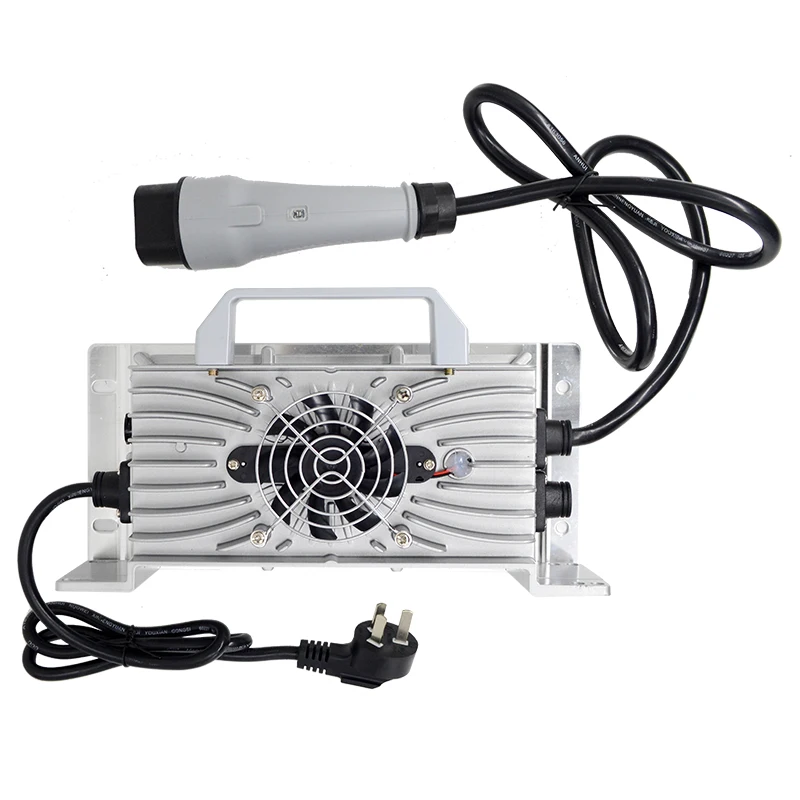
Your golf cart battery charger must be accessible for regular use while remaining secure during storage or transport. Portable models with carrying handles offer flexibility for operators with multiple carts or those who charge away from a fixed location. Onboard chargers permanently mount to your cart, integrating seamlessly with your vehicle's electrical system but requiring professional installation. Weight, cable length, and connector type all influence practical usability, so evaluate whether your charging environment and workflow favor portable or integrated solutions. This practical assessment prevents purchasing chargers that technically match your voltage but prove inconvenient or problematic in your operational context.
Safety Features and Protection Systems
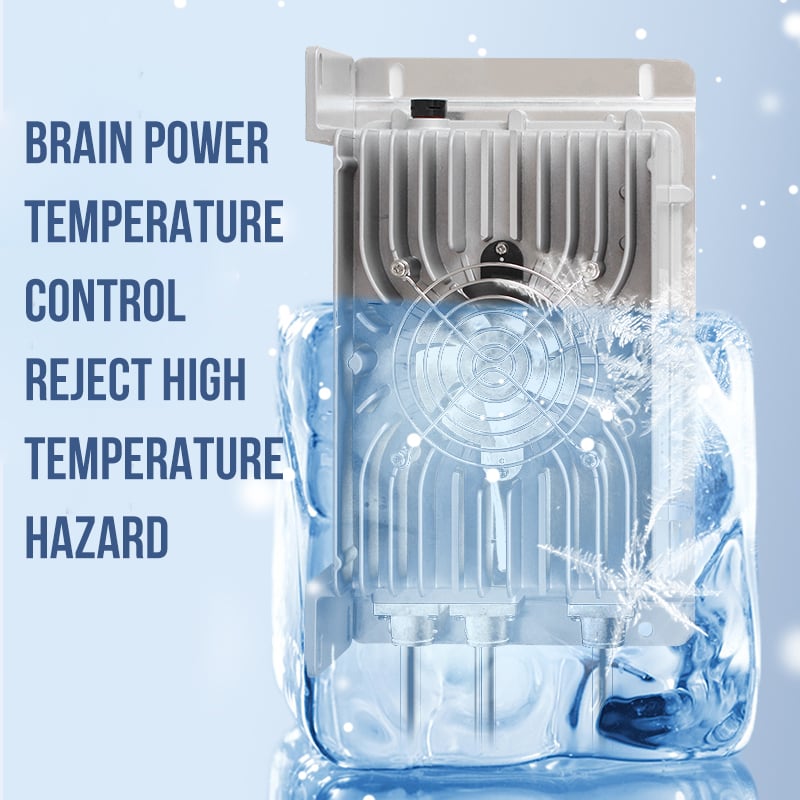
A quality golf cart battery charger must incorporate multiple layers of protection to safeguard both your equipment and users. Essential safety features include reverse-polarity protection that prevents damage from incorrect cable connections, temperature monitoring that prevents dangerous heat accumulation, and automatic shutoffs that stop charging when batteries reach full capacity. Weatherproof housing and insulated connectors protect against environmental damage and electrical hazards, particularly important in outdoor storage environments. These protective systems represent non-negotiable requirements regardless of price considerations, as they prevent battery damage, extend lifespan, and reduce operational risks substantially.
Maintenance and Long-Term Performance
Golf Cart Battery Maintenance and Charging Best Practices
Proper maintenance of your golf cart battery charger itself ensures it continues delivering optimal performance throughout its operational life. Keep connector terminals clean and dry, store cables to prevent damage or tangling, and verify connections are secure before each use. Periodically inspect your charger for signs of heat damage, corrosion, or physical wear that might compromise function or safety. A well-maintained golf cart battery maintenance and charging system, supported by a reliable charger, can extend battery lifespan by 30 to 50 percent compared to neglected systems, making these routine care habits highly valuable investments of minimal effort.
Integration with Your Battery Care Schedule
Your charger choice directly impacts the feasibility of establishing consistent maintenance routines that keep batteries healthy. How long to charge golf cart batteries should inform your daily schedule so charging happens predictably without disrupting operations or requiring expensive rush charging. Overnight charging during off-peak hours typically represents the most economical and battery-friendly approach, supported by properly-sized chargers that complete full cycles in available windows. Align your golf cart battery charger selection with your operational rhythm and maintenance capacity to create sustainable charging practices that sustain battery performance throughout their serviceable lifespan.
FAQ
What happens if I use the wrong voltage charger on my golf cart battery?
Using an incorrect voltage charger can permanently damage your battery bank by forcing incompatible electrical current through the cells, causing internal short circuits, plate warping, and rapid failure. The damage often occurs immediately during the initial charging attempt, resulting in complete battery loss and expensive replacement. Always verify your system voltage and golf cart battery charger specifications match before connecting any charging equipment to your vehicle.
Can I use a higher amperage charger to reduce charging time significantly?
While a higher amperage charger will reduce charging duration, excessive amperage generates dangerous heat that damages battery plates, reduces lifespan, and creates safety hazards including potential battery failure or fire. Most batteries perform optimally with amperage matching 10 to 15 percent of their total amp-hour capacity, which balances charging speed with longevity. Using a charger exceeding this guideline provides marginal time savings while substantially compromising the long-term value and safety of your battery investment.
How often should I charge my golf cart batteries for optimal maintenance?
Daily charging after each use represents best practice for recreational golf carts, ensuring batteries never deeply discharge which accelerates degradation. Commercial or heavily used carts may require multiple daily charges depending on usage patterns and operational demands. Even carts stored seasonally should receive trickle charges monthly to prevent sulfation buildup that occurs during extended inactivity. Your charger's capabilities should support whatever charging frequency your specific usage pattern requires without causing thermal stress or overcharging damage.