 EN
EN

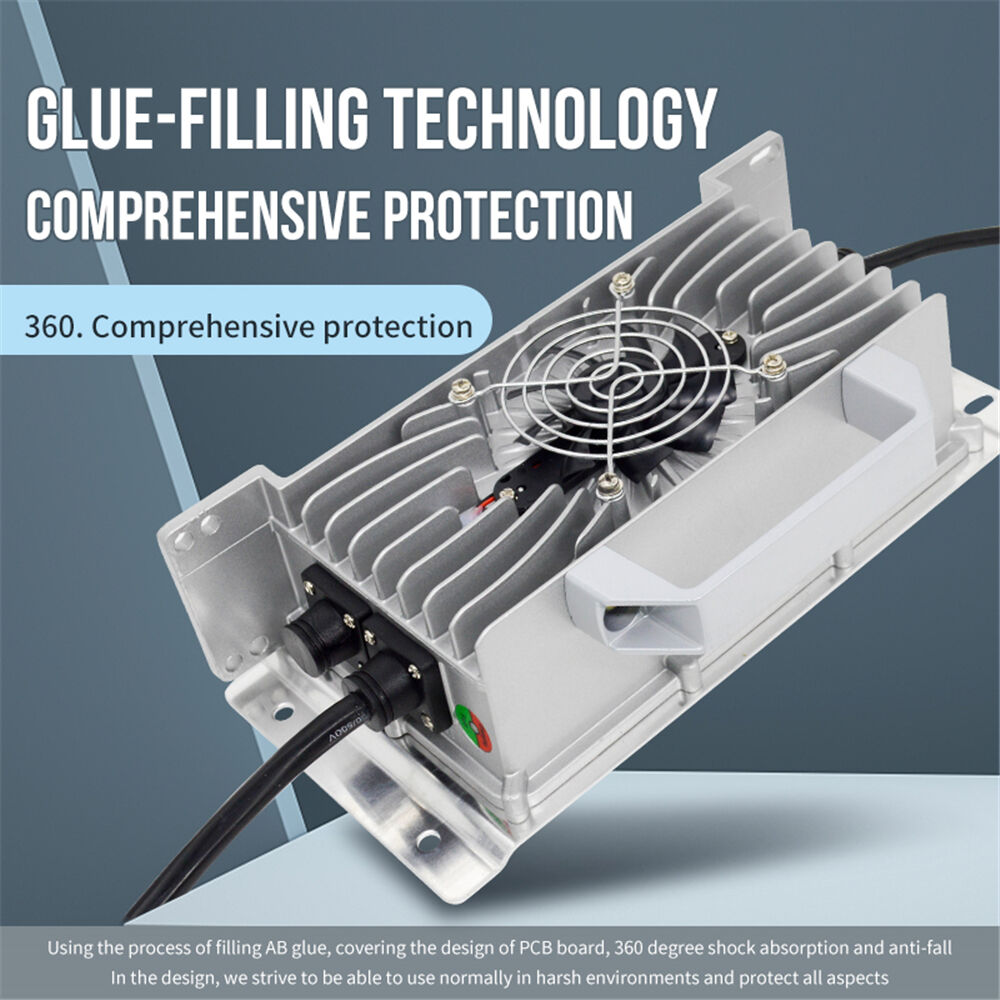
Optimizing the charging environment for your golf cart is essential to ensure maximum battery life, consistent performance, and reliable operation throughout the golf season. The effectiveness of your golf cart battery charger depends significantly on environmental factors that many operators overlook. Temperature fluctuations, humidity levels, ventilation quality, and storage conditions all play crucial roles in determining how efficiently your charging system performs. Understanding these environmental variables helps golf course maintenance teams, fleet managers, and individual golf cart owners create ideal conditions that extend equipment lifespan while minimizing operational costs. Professional charging environments require careful consideration of multiple factors to achieve stable, predictable results that keep golf carts running smoothly day after day.
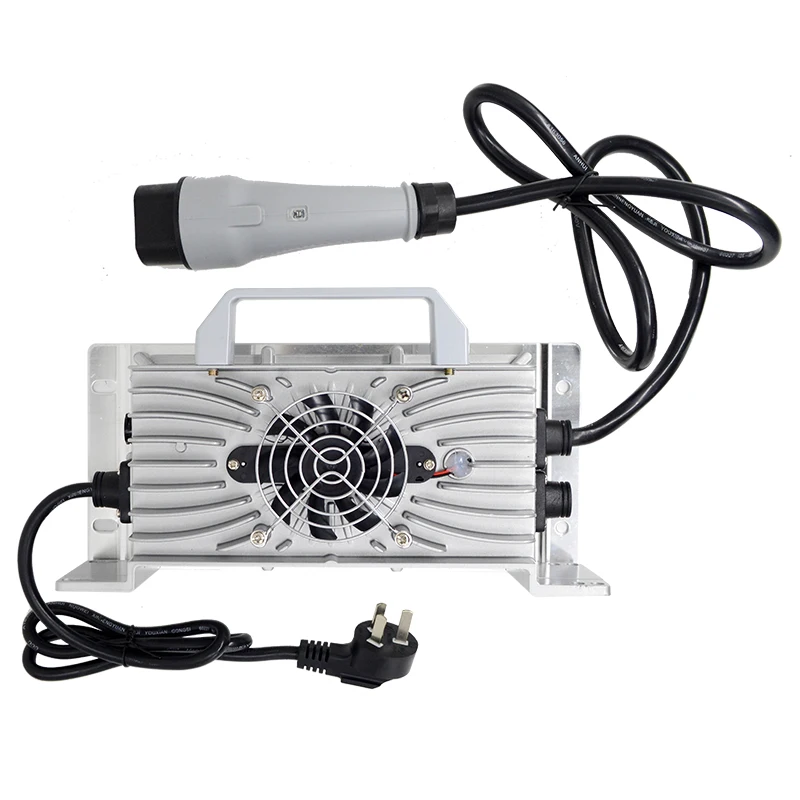
Temperature Control for Optimal Charging Performance
Ideal Temperature Ranges
Temperature management represents one of the most critical factors affecting golf cart battery charger efficiency and battery health. The optimal operating temperature range for most golf cart charging systems falls between 50°F and 80°F (10°C to 27°C). Within this range, batteries accept charge more readily, chemical reactions proceed at optimal rates, and internal resistance remains at manageable levels. Extreme temperatures can dramatically impact charging efficiency, with cold conditions slowing chemical processes and hot environments accelerating degradation. Professional golf facilities often install climate control systems in their charging areas to maintain consistent temperatures year-round.
Cold weather charging presents unique challenges that require special attention from operators. When temperatures drop below 32°F (0°C), battery capacity can decrease by 20-30%, requiring longer charging cycles to achieve full capacity. The golf cart battery charger may need to work harder and longer to overcome increased internal resistance caused by cold temperatures. Some advanced charging systems include temperature compensation features that automatically adjust charging parameters based on ambient conditions. Operators should consider insulating charging areas or using heated storage facilities in regions with harsh winter climates to maintain optimal charging conditions.
Heat Management Strategies
Excessive heat poses significant risks to both batteries and charging equipment, making effective heat management essential for stable charging results. High temperatures accelerate chemical reactions within batteries, leading to faster degradation, reduced lifespan, and potential safety hazards. When ambient temperatures exceed 90°F (32°C), charging efficiency decreases while the risk of thermal runaway increases dramatically. Professional charging facilities implement multiple heat management strategies, including adequate ventilation systems, shade structures, and strategic equipment placement to minimize heat buildup during charging cycles.
Ventilation systems play a crucial role in dissipating heat generated during the charging process. Natural convection may prove insufficient in enclosed spaces, requiring mechanical ventilation to maintain safe operating temperatures. Charging areas should include intake vents near floor level and exhaust vents near the ceiling to promote proper air circulation. Some facilities install temperature monitoring systems that automatically activate cooling fans when temperatures exceed predetermined thresholds. Strategic placement of charging stations away from direct sunlight and heat sources further contributes to stable operating conditions that optimize golf cart battery charger performance.
Humidity and Moisture Management
Controlling Atmospheric Moisture
Humidity levels significantly impact both charging equipment longevity and battery performance, requiring careful management in professional golf cart operations. Ideal relative humidity levels for charging environments range between 45% and 65%, providing optimal conditions for electrical components while preventing moisture-related corrosion. High humidity environments can lead to condensation on electrical contacts, increased corrosion rates, and potential short-circuit risks that compromise safety and equipment reliability. Conversely, extremely low humidity can create static electricity buildup that may damage sensitive electronic components within modern golf cart battery charger systems.
Dehumidification systems become essential in coastal regions, humid climates, or enclosed charging facilities where natural moisture control proves insufficient. Professional-grade dehumidifiers maintain consistent humidity levels while preventing condensation on critical components. Regular monitoring using hygrometers helps operators track humidity trends and adjust environmental controls accordingly. Proper sealing of charging areas, combined with adequate ventilation, creates a balanced approach to moisture management that protects both batteries and charging equipment from humidity-related damage.
Preventing Water Intrusion
Water intrusion represents one of the most serious threats to golf cart charging systems, potentially causing immediate damage or long-term reliability issues. Charging areas must provide complete protection from rain, sprinkler systems, and other water sources that could compromise electrical safety. Proper drainage systems prevent water accumulation around charging stations, while elevated charging platforms keep equipment above potential flood levels. Waterproof electrical enclosures and appropriate IP ratings for outdoor installations ensure reliable operation in various weather conditions.
Ground fault circuit interrupters (GFCI) provide essential protection against electrical hazards in environments where moisture exposure remains possible. Regular inspection of seals, gaskets, and weatherproofing materials helps identify potential water intrusion points before they compromise system integrity. Staff training on water safety protocols ensures proper procedures during adverse weather conditions. Emergency shutdown procedures and waterproof covers provide additional protection layers when extreme weather threatens charging operations.
Ventilation and Air Quality Requirements
Airflow Design Principles
Proper ventilation design ensures safe operation of golf cart battery charger systems while maintaining optimal environmental conditions for consistent charging performance. Effective airflow patterns remove heat, moisture, and potentially harmful gases generated during charging cycles. Natural ventilation relies on temperature differentials and wind patterns to create air movement, while mechanical systems provide more predictable and controllable airflow rates. Professional charging facilities typically combine both approaches to ensure adequate ventilation under all operating conditions.
Cross-ventilation designs create efficient air movement patterns that prevent stagnant air pockets where heat and moisture can accumulate. Strategic placement of intake and exhaust vents promotes continuous air circulation throughout the charging area. Ventilation rates should provide at least six air changes per hour in enclosed spaces to maintain safe operating conditions. Variable speed fans allow operators to adjust airflow based on seasonal conditions, charging load, and environmental factors that affect ventilation requirements.
Gas Emission Management
Battery charging processes can generate hydrogen gas and other potentially hazardous emissions that require proper ventilation management for safe operations. While modern sealed batteries produce minimal gas emissions compared to traditional flooded cell designs, adequate ventilation remains essential for safety compliance and optimal charging conditions. Hydrogen gas is lighter than air and tends to accumulate near ceiling areas, requiring exhaust vents positioned at high points within charging facilities. Proper ventilation prevents gas concentration buildup that could create explosion risks or health hazards for maintenance personnel.
Gas detection systems provide early warning capabilities in professional charging facilities where multiple golf cart battery charger units operate simultaneously. These systems automatically activate additional ventilation when gas concentrations exceed safe thresholds. Regular air quality testing ensures ventilation systems maintain appropriate dilution ratios for any emissions generated during normal charging operations. Staff training on gas safety protocols and emergency procedures provides additional protection layers for personnel working in charging areas.
Storage and Workspace Organization
Charging Station Layout
Efficient charging station organization maximizes space utilization while ensuring safe, convenient access to all equipment and vehicles. Proper spacing between charging stations allows adequate air circulation, prevents heat buildup, and provides sufficient room for maintenance activities. Professional installations typically maintain minimum clearances of three feet between charging stations and four feet from walls or other obstructions. Clear marking and numbering systems help operators quickly identify available charging positions and track individual vehicle charging status throughout fleet operations.
Electrical infrastructure planning ensures adequate power distribution without overloading circuits or creating voltage drop issues that could affect charging performance. Dedicated circuits for each golf cart battery charger prevent power quality problems that can occur when multiple high-current devices share electrical supply lines. Proper cable management systems protect electrical connections from damage while maintaining organized, professional appearances. Emergency shutdown controls positioned at strategic locations provide quick power disconnection capabilities when maintenance or emergency situations require immediate system isolation.
Equipment Protection and Security
Physical protection of charging equipment extends operational lifespan while preventing theft, vandalism, or accidental damage that could disrupt golf cart operations. Lockable enclosures protect valuable charging components from unauthorized access while allowing legitimate operators convenient system access. Weather-resistant materials and finishes ensure long-term durability in outdoor installations exposed to sun, rain, and temperature extremes. Proper grounding systems provide electrical safety protection while preventing static buildup that could damage sensitive electronic components.
Security lighting and surveillance systems deter theft while providing adequate illumination for safe nighttime operations. Motion-activated lighting conserves energy while ensuring visibility when personnel access charging areas during off-hours. Inventory management systems track charging equipment, cables, and accessories to prevent loss and ensure proper maintenance scheduling. Regular security assessments identify potential vulnerabilities and recommend improvements to protect valuable charging infrastructure investments.
Electrical Infrastructure and Power Quality
Power Supply Stability
Stable electrical power supply forms the foundation for reliable golf cart battery charger operation and consistent charging results across all vehicles in a fleet. Voltage fluctuations, power surges, and electrical noise can significantly impact charging efficiency while potentially damaging sensitive electronic components within modern charging systems. Professional installations include power conditioning equipment such as voltage regulators, surge protectors, and isolation transformers to ensure clean, stable power delivery. Regular power quality monitoring helps identify electrical issues before they affect charging performance or equipment reliability.
Dedicated electrical circuits prevent interference from other equipment while ensuring adequate power availability during peak charging periods. Load calculations must account for simultaneous charging requirements, startup current demands, and future expansion needs to prevent electrical system overloading. Proper conductor sizing minimizes voltage drop that could reduce charging efficiency or cause premature equipment failure. Emergency backup power systems maintain critical charging capabilities during utility outages, ensuring operational continuity for essential vehicles and equipment.
Grounding and Safety Systems
Comprehensive grounding systems provide essential safety protection while ensuring optimal performance from golf cart battery charger installations. Equipment grounding conductors protect personnel from electrical hazards while providing reference points for sensitive electronic circuits. Isolated grounding systems prevent electrical noise from affecting charging system performance in environments with multiple electrical devices. Regular testing of ground fault protection devices ensures continued safety system functionality and compliance with electrical safety standards.
Electrical safety protocols include proper lockout/tagout procedures, personal protective equipment requirements, and emergency response procedures for electrical incidents. Arc flash hazard analysis determines appropriate safety equipment and establishes safe work practices for maintenance activities. Regular electrical system inspections identify potential hazards before they compromise personnel safety or equipment reliability. Professional electrical contractors should perform major installation and modification work to ensure code compliance and optimal system performance.
FAQ
What temperature range provides optimal charging conditions for golf cart batteries
The optimal temperature range for golf cart battery charging falls between 50°F and 80°F (10°C to 27°C). Within this range, batteries accept charge most efficiently, chemical reactions proceed at optimal rates, and the golf cart battery charger operates with maximum effectiveness. Temperatures outside this range can significantly impact charging performance, with cold conditions slowing charging processes and hot environments potentially causing damage to both batteries and charging equipment.
How does humidity affect golf cart charging system performance
Humidity levels between 45% and 65% relative humidity provide ideal conditions for golf cart charging operations. High humidity can cause condensation on electrical components, leading to corrosion and potential short-circuit risks. Low humidity may create static electricity buildup that can damage sensitive electronics. Proper humidity control through ventilation, dehumidification, or climate control systems helps maintain optimal charging conditions and extends equipment lifespan.
Why is proper ventilation essential in golf cart charging areas
Adequate ventilation removes heat generated during charging, prevents moisture accumulation, and safely disperses any gases produced by battery charging processes. Proper airflow design ensures at least six air changes per hour in enclosed charging spaces, preventing dangerous gas concentration buildup while maintaining optimal operating temperatures. Good ventilation also extends the life of both batteries and golf cart battery charger equipment by preventing heat-related damage.
What electrical requirements are necessary for stable charging operations
Stable charging operations require dedicated electrical circuits with proper voltage regulation, adequate conductor sizing to minimize voltage drop, and comprehensive grounding systems for safety. Power quality conditioning equipment such as surge protectors and voltage regulators help ensure clean, stable power delivery to charging systems. Regular electrical system maintenance and monitoring help identify potential issues before they affect charging performance or create safety hazards for operators and maintenance personnel.