 EN
EN

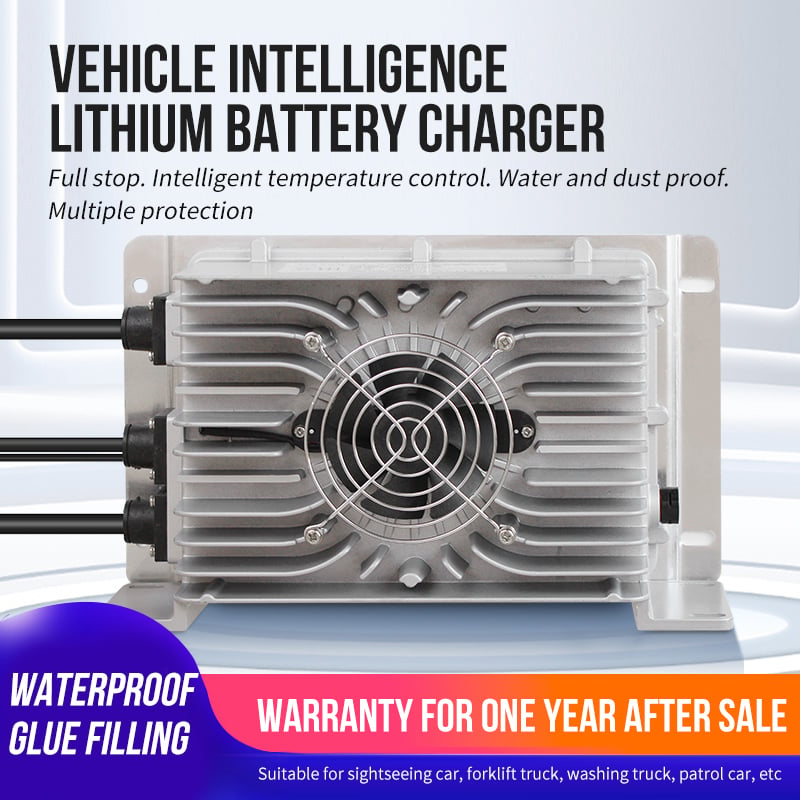
A waterproof battery charger becomes essential when your work environment exposes equipment to moisture, rain, splashing water, or unpredictable weather conditions. Understanding when to invest in this type of charging solution can prevent costly equipment failures and extend the operational life of your power systems. Whether you operate in construction, marine environments, outdoor recreation, or remote facilities, timing your adoption of waterproof charging technology directly impacts both safety and productivity.
The decision to switch from standard chargers to a waterproof alternative depends on several interconnected factors including your operating environment, equipment value, frequency of wet conditions, and regulatory compliance requirements. This guide explores the specific situations where a waterproof battery charger becomes not just convenient but critically important, helping you make an informed decision aligned with your operational needs and risk tolerance.
Assessing Your Environmental Risk Profile
Identifying Moisture Exposure Scenarios
Your first consideration involves honestly evaluating how often your charging equipment encounters water exposure. Construction sites frequently feature water spray from pressure washers, morning dew on exposed equipment, and accidental spills near charging stations. Maritime and waterfront operations present constant salt spray and humidity that corrode standard electrical components within months. Agricultural facilities deal with irrigation systems, livestock wash stations, and weather exposure that makes conventional chargers vulnerable to failure.
When your best portable charger for outdoor activities sits unattended near job sites, poolside, or lakeside locations, moisture infiltration becomes inevitable rather than exceptional. Even brief exposure to humidity can degrade internal circuits over extended periods, while a single submersion event destroys standard equipment permanently. Evaluating whether your charging location is intentionally wet, occasionally damp, or simply uncontrolled helps determine if waterproof protection is essential for your operations.
Understanding IP Ratings and Protection Standards
Waterproof chargers carry IP ratings that specify their resistance to solid particles and water ingress. An IP67 rating means complete dust protection and temporary submersion capability, while IP68 permits extended underwater operation. A fast charging station for wet environments must achieve minimum IP65 specifications to withstand direct water jets and splashing without internal damage. Reviewing these ratings ensures your equipment meets the actual hazards present in your specific work environment.
Standard chargers typically carry IP20 or IP30 ratings, offering minimal protection beyond household dust. This fundamental difference becomes critical when comparing lifecycle costs and total risk exposure. Understanding what protection level your operational environment genuinely requires prevents either over-investing in unnecessary features or under-protecting with inadequate specifications.
Timing Your Transition to Waterproof Solutions
Recognizing Performance Decline Patterns
Many operators continue using standard chargers until equipment failures force replacement decisions. However, proactive timing based on environmental conditions proves more cost-effective than reactive purchasing after water damage occurs. When you notice corrosion on charging contacts, intermittent connection issues in humid conditions, or warning labels becoming illegible from moisture exposure, these signs indicate your current setup is approaching failure. Introducing a waterproof battery charger before catastrophic failure prevents unplanned downtime and emergency procurement costs.
A solar power bank with waterproof rating becomes increasingly attractive when seasonal transitions bring rainy periods or your operational schedule expands into wet seasons. Timing this upgrade before weather patterns intensify allows proper testing and crew familiarity with new equipment, rather than forcing adoption under crisis conditions. Seasonal considerations directly influence when proactive investment in weather-resistant charging delivers maximum operational value.
Calculating True Operating Costs and Risk Mitigation
Waterproof charging solutions carry higher upfront costs than standard alternatives, but this comparison becomes misleading when including total ownership expenses. A single flooded charger that damages batteries or creates safety hazards often costs more than three years of waterproof equipment operation. Marine environments and outdoor activities amplify this calculation because replacement cycles accelerate dramatically in wet conditions. When your best portable charger for outdoor activities operates in uncontrolled environments, waterproof design becomes insurance against expensive losses.
Risk mitigation extends beyond equipment replacement to include operational continuity and crew safety. Standard chargers near water sources create electrical hazards that waterproof designs eliminate through sealed construction and specialized grounding. Fast charging station for wet environments with proper waterproof protection reduces workplace incidents and liability exposure. Calculating these indirect costs alongside replacement expenses reveals that waterproof solutions often represent financial discipline rather than premium spending.
Integration with Your Equipment Portfolio
Matching Charger Specifications to Battery Systems
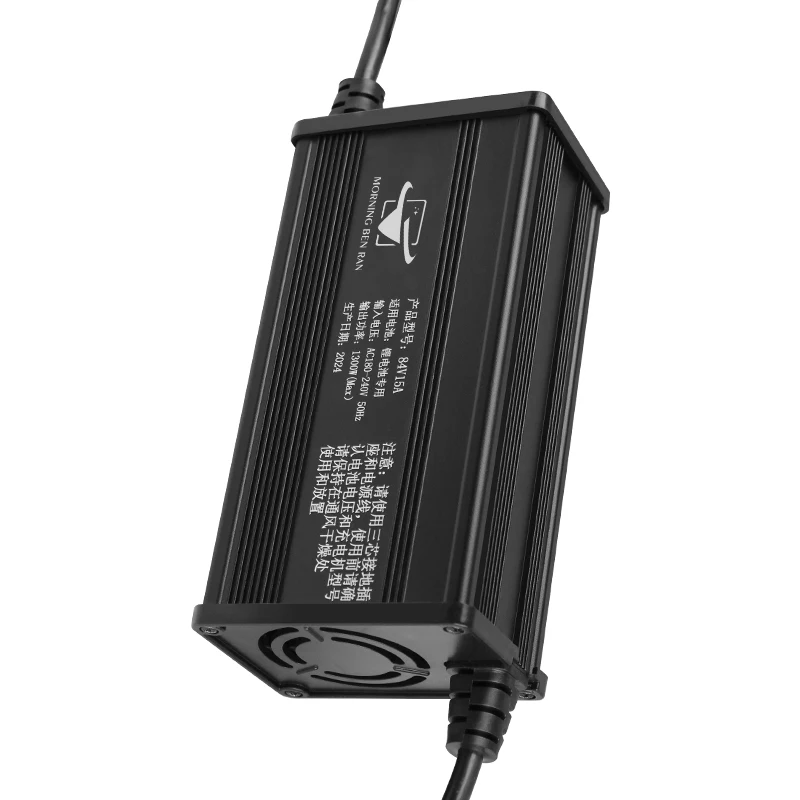
Your waterproof battery charger must align with the specific battery chemistry, voltage, and capacity your operations depend upon. Lithium-ion systems require different charging profiles than lead-acid or LiFePO4 batteries, and waterproof designs must maintain these specifications while protecting internal components. When upgrading to waterproof charging, verify that available models support your exact battery configurations and charging speeds. Incompatible specifications mean you cannot fully transition away from vulnerable standard chargers.
Electric bikes, power tools, marine systems, and industrial equipment each demand specialized charging approaches that waterproof chargers must accommodate. A fast charging station for wet environments should deliver appropriate current rates and voltage profiles specific to your equipment category. Researching certified compatibility before purchase prevents the frustration of owning waterproof protection that cannot charge your primary power sources.
Creating Redundancy and Backup Protocols
Professional operations benefit from maintaining both standard and waterproof chargers as part of systematic redundancy planning. Using waterproof equipment as primary charging solutions while storing standard chargers for backup locations creates flexibility without compromising environmental protection. This approach proves especially valuable for organizations operating multiple job sites with varying moisture exposure levels. A best portable charger for outdoor activities can serve high-risk locations while conventional solutions handle controlled indoor environments.
Implementing tiered charging strategies also extends overall equipment lifespan by distributing wear across multiple systems. Alternating between waterproof and standard chargers prevents any single device from bearing continuous stress, reducing failure rates for both categories. Training crews to use appropriate chargers for specific environments ensures that waterproof investment generates expected returns through consistent proper application.
FAQ
What is the main advantage of using a waterproof battery charger in outdoor environments?
The primary advantage involves preventing water damage to both the charger and connected batteries while maintaining operational reliability in wet conditions. A waterproof battery charger eliminates corrosion, electrical short circuits, and safety hazards that plague standard equipment near moisture sources. This protection translates directly to extended equipment lifespan, reduced replacement costs, and improved workplace safety for crews operating in rain, humidity, or near water sources.
How do I determine if my operations need a solar power bank with waterproof rating?
Evaluate whether your work locations experience frequent moisture exposure, whether you operate seasonally during rainy periods, and whether you need remote charging capability in outdoor settings. A solar power bank with waterproof rating becomes essential when you cannot control your environment or when grid power access is limited during field operations. If your team regularly charges equipment near construction water features, agricultural systems, or coastal locations, this technology becomes a practical necessity rather than optional enhancement.
Can a fast charging station for wet environments provide the same charging speeds as standard models?
Yes, modern waterproof designs deliver comparable or superior charging speeds while maintaining full environmental protection through sealed aluminum construction and specialized cooling systems. A fast charging station for wet environments specifically combines rapid power delivery with moisture resistance, eliminating the historical trade-off between speed and durability. Quality waterproof chargers now match or exceed standard charging performance while adding reliability benefits that make them superior choices for professional applications.