 EN

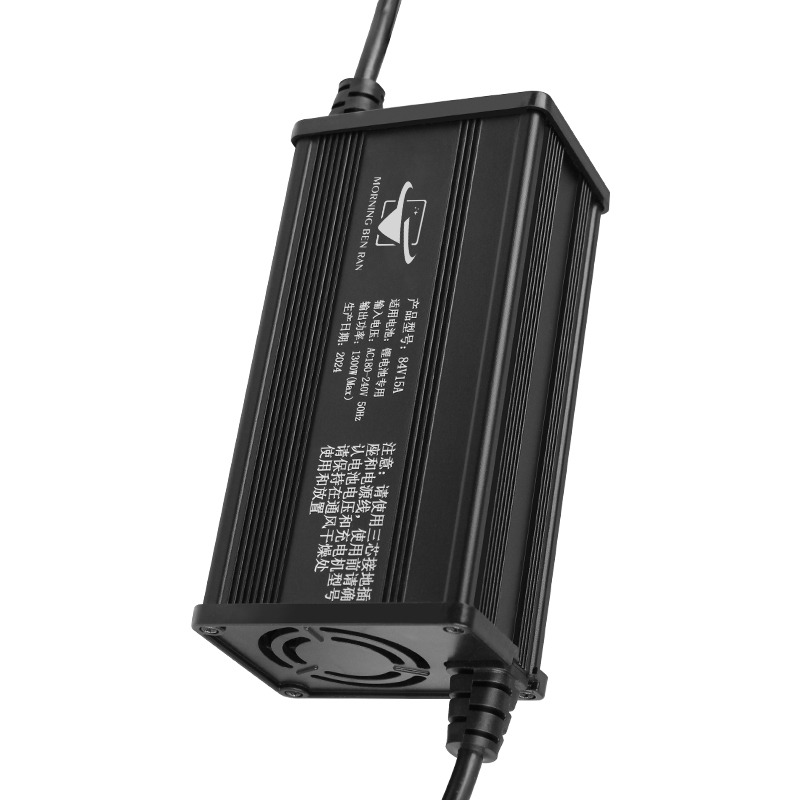
Safety in lithium battery charger design represents one of the most critical priorities for manufacturers, engineers, and end users across industrial and consumer markets. A lithium battery charger must balance rapid energy delivery with precise electrical control to prevent overcharging, thermal runaway, and cell degradation. Understanding the factors that influence lithium battery charger safety helps organizations make informed decisions about equipment selection and operational protocols that protect both equipment and personnel.
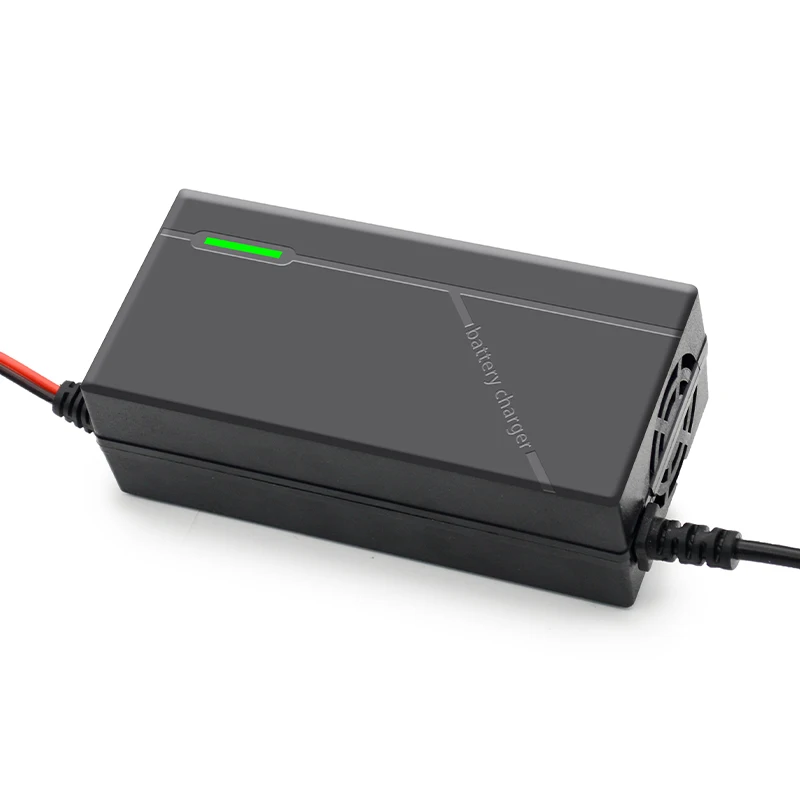
The lithium battery charger market has evolved significantly as lithium-ion technology has become the dominant energy storage solution for electric vehicles, renewable energy systems, and portable electronics. Modern lithium battery charger systems incorporate sophisticated electronics and safety mechanisms to manage the unique challenges posed by lithium chemistry. Each lithium battery charger operates within strict parameters defined by cell chemistry, voltage thresholds, and current limitations.
Voltage Regulation and Charging Profiles
Constant Current and Constant Voltage Phases
The lithium battery charger operates through two distinct charging phases that directly impact safety and battery longevity. During the constant current phase, the lithium battery charger delivers a fixed amperage until the battery reaches a predetermined voltage threshold, typically between 4.2 and 4.3 volts per cell depending on chemistry. Once this voltage is reached, the lithium battery charger transitions to constant voltage mode, reducing current as the battery charges to full capacity while maintaining stable voltage.
This two-stage charging approach within a lithium battery charger prevents overcharging and excessive heat generation that could compromise cell integrity. If a lithium battery charger operates outside these voltage windows, rapid degradation or thermal events become possible. The precision required in voltage regulation distinguishes quality lithium battery charger designs from inferior alternatives that may lack adequate control circuits.
Temperature Compensation and Monitoring
Advanced lithium battery charger systems incorporate temperature sensors and compensation algorithms that adjust charging parameters based on ambient and cell temperatures. When a lithium battery charger detects elevated cell temperatures during operation, it automatically reduces charging current to prevent thermal stress. This temperature-adaptive behavior makes modern lithium battery charger technology significantly safer than basic fixed-output chargers.
Every lithium battery charger should include thermal monitoring that pauses or terminates charging if cell temperature exceeds safe limits, typically around 60 degrees Celsius. This protective mechanism within the lithium battery charger ensures that extreme conditions do not trigger thermal runaway scenarios. Industrial-grade lithium battery charger models implement multiple temperature sensors for comprehensive thermal oversight.
Protection Circuits and Safety Mechanisms
Overcharge and Overdischarge Prevention
The lithium battery charger must incorporate protection against overcharge conditions that represent one of the most serious risks to lithium cell safety. A quality lithium battery charger includes charge control circuits that terminate current flow once full charge is detected, preventing dangerous voltage escalation. Many lithium battery charger designs also feature a trickle charge phase that maintains the battery at full capacity with minimal current.
Overdischarge protection, while typically handled by battery management systems, often receives reinforcement from the lithium battery charger itself through input monitoring. When a lithium battery charger connects to an already-depleted battery, it must recognize this condition and apply careful charging protocols to restore the cell safely. This coordinated protection between the lithium battery charger and battery management system prevents damage from deep discharge events.
Short Circuit and Reverse Polarity Protection
Mechanical and electrical hazards require that every lithium battery charger incorporate short circuit detection and response mechanisms. A properly designed lithium battery charger limits fault current during short circuit conditions through dedicated protection circuits, preventing explosive energy release. Reverse polarity protection ensures that accidentally connecting a lithium battery charger with reversed leads does not damage the charging unit or create fire hazards.
These lithium battery charger protection features operate independently of user awareness, providing passive safety that functions automatically. Fuses, diodes, and current-limiting circuits within the lithium battery charger create multiple layers of redundancy. Industrial applications particularly depend on this multilayer approach to lithium battery charger design, as field conditions may not always match laboratory assumptions.
Thermal Management and Heat Dissipation
Component Cooling and Heatsink Design
Heat generation represents a critical concern in lithium battery charger operation, particularly during high-current charging applications. The lithium battery charger must dissipate internal heat through thermal pathways that prevent component failure and maintain safe operating temperatures. Quality lithium battery charger designs include aluminum heatsinks, thermal interface materials, and airflow optimization to manage continuous heat loads.
The lithium battery charger must maintain internal component temperatures below specified ratings to ensure longevity and safety. Power conversion circuits generate the most substantial heat within a lithium battery charger system, requiring robust thermal management. Some high-performance lithium battery charger models incorporate active cooling fans to maintain thermal stability during extended operation.
Environmental Operating Conditions
The lithium battery charger must function safely across specified temperature ranges, typically from zero to 45 degrees Celsius for commercial applications. Operating conditions outside this window require that the lithium battery charger reduce output or suspend operation to prevent damage. Cold environments may require the lithium battery charger to pre-heat batteries before charging begins, while hot environments demand heat dissipation enhancement.
Humidity and environmental contaminants also influence lithium battery charger safety, necessitating appropriate enclosure ratings and protective coatings on circuit boards. When a lithium battery charger operates in industrial or outdoor environments, sealed designs with appropriate IP ratings prevent moisture ingress. The lithium battery charger enclosure should provide adequate spacing and ventilation to prevent condensation buildup.
FAQ
What charging voltage is safe for a lithium battery charger?
A safe lithium battery charger maintains cell voltage between 4.1 and 4.3 volts per cell, depending on the specific battery chemistry and manufacturer specifications. Most commercial lithium battery charger systems use 4.2 volts per cell as the standard full-charge voltage for standard lithium-ion cells. The lithium battery charger must never exceed manufacturer voltage ratings, as doing so triggers accelerated degradation and increases thermal runaway risk significantly.
How does a lithium battery charger prevent thermal runaway?
A lithium battery charger prevents thermal runaway through multiple mechanisms including temperature monitoring, charging current reduction, and automatic shutdown if temperature thresholds are exceeded. The lithium battery charger continuously measures cell and component temperatures, adjusting charging parameters to maintain safe operating conditions. If temperatures continue rising despite current reduction, the lithium battery charger terminates charging and alerts the operator to potential hazards.
Can a lithium battery charger be used in cold weather?
Most lithium battery charger systems can operate in cold weather, but charging rates must be reduced to prevent lithium plating on cell anodes. Some advanced lithium battery charger designs include pre-heating functions that warm batteries before charging begins in cold conditions. Always consult the lithium battery charger manual for specific temperature operating ranges and cold-weather charging protocols applicable to your specific model and battery type.